

Description
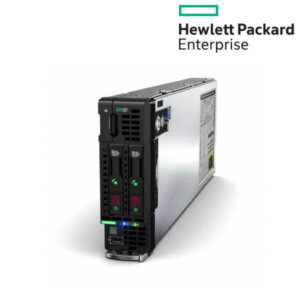
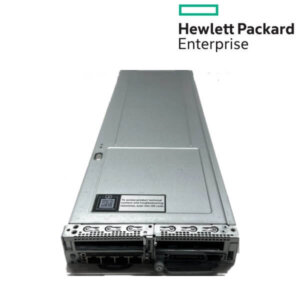
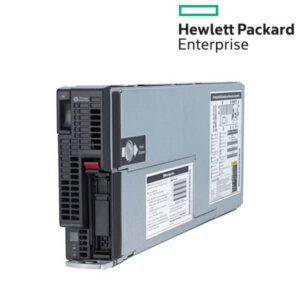
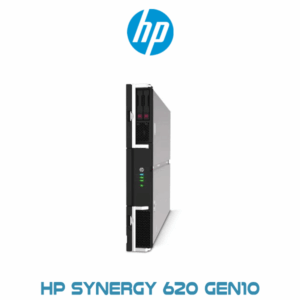
HP Synergy 480 Gen10 Compute Module Dubai – Next-Generation Composable Infrastructure Excellence
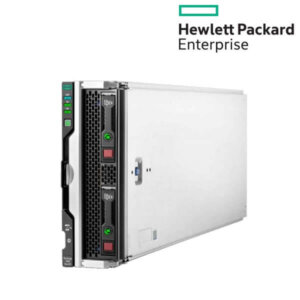
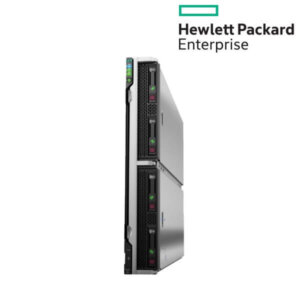
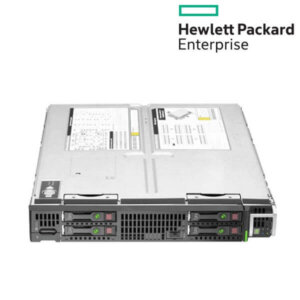
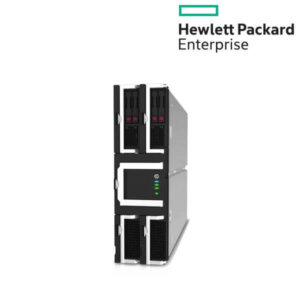
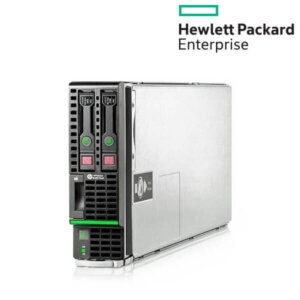
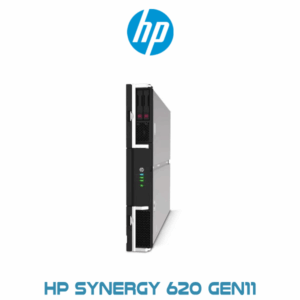
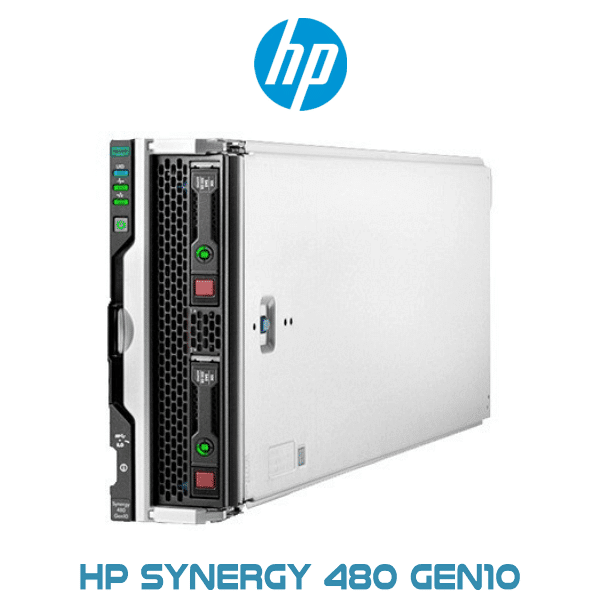
The HP Synergy 480 Gen10 compute module represents the evolution of composable infrastructure technology, delivering enhanced performance, improved efficiency, and advanced capabilities that enable organizations in Dubai to build truly modern, software-defined data centers. As a leading HP server supplier in Dubai, we understand the critical importance of infrastructure that can adapt and evolve with changing business requirements, and the Synergy 480 Gen10 provides the foundation for this adaptive infrastructure approach. This next-generation compute module builds upon the success of its predecessor while introducing significant improvements in processing power, memory capacity, and integration capabilities that make it ideal for supporting the most demanding modern workloads.
The architectural foundation of the HP Synergy 480 Gen10 is built upon Intel Xeon Scalable processor families, providing organizations with access to the latest processor technologies and performance improvements. The compute module supports dual-socket configurations with processors offering up to 28 cores per socket, delivering exceptional computational performance for applications ranging from traditional enterprise workloads to modern artificial intelligence and machine learning applications. The processor architecture includes advanced features such as Intel Advanced Vector Extensions (AVX-512) and Intel Deep Learning Boost, which provide hardware acceleration for specific types of computational workloads, particularly those involving artificial intelligence and data analytics.
Enhanced Memory Architecture and Performance
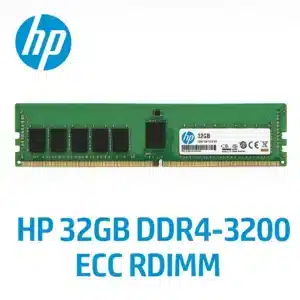
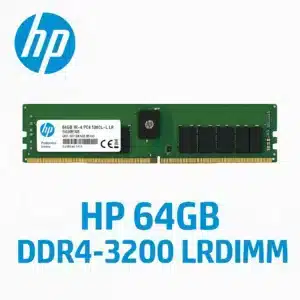
Memory performance is a critical factor in modern computing environments, and the HP Synergy 480 Gen10 delivers significant improvements in memory capacity and performance compared to previous generations. The compute module supports up to 1.5TB of DDR4 memory across 24 DIMM slots, providing substantial memory capacity for memory-intensive applications such as in-memory databases, real-time analytics platforms, and large-scale virtualization environments. The DDR4 memory technology provides improved bandwidth and lower latency compared to previous generations, with support for memory speeds up to 2933 MHz that can significantly improve application performance for memory-bound workloads.
The memory architecture of the Synergy 480 Gen10 also includes support for Intel Optane DC persistent memory, which provides a new tier of memory that bridges the gap between traditional DRAM and storage. This persistent memory technology can significantly improve application performance for workloads that require large amounts of memory while providing data persistence that can improve application restart times and reduce data loss risks. The integration of persistent memory technology is particularly beneficial for applications such as in-memory databases, caching systems, and analytics platforms that can take advantage of the unique characteristics of this memory technology.
Advanced Storage and I/O Capabilities
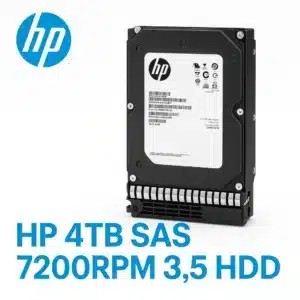
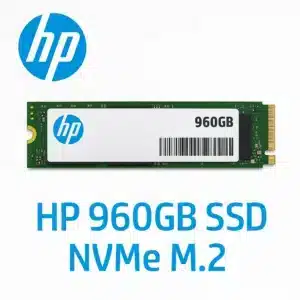
Storage performance is increasingly important in modern computing environments, and the HP Synergy 480 Gen10 provides advanced storage capabilities that can meet the demands of high-performance applications. The compute module supports multiple storage options, including traditional SATA and SAS drives, high-performance NVMe SSDs, and integration with shared storage resources within the composable infrastructure environment. The support for NVMe storage technology is particularly significant, as it can provide dramatically improved storage performance compared to traditional storage interfaces, with lower latency and higher throughput that can benefit a wide range of applications.
The I/O architecture of the Synergy 480 Gen10 includes support for PCIe 3.0 and PCIe 4.0 interfaces, providing high-bandwidth connectivity for expansion cards and accelerators. This advanced I/O capability enables organizations to integrate specialized hardware accelerators such as GPUs for artificial intelligence workloads, FPGAs for specialized computational tasks, or high-performance network adapters for demanding networking applications. The flexibility of the I/O architecture means that organizations can customize the compute module’s capabilities based on specific application requirements, ensuring optimal performance for diverse workload types.
Software-Defined Infrastructure Integration
The HP Synergy 480 Gen10 is designed to integrate seamlessly with software-defined infrastructure technologies that enable organizations to manage their entire infrastructure environment through software interfaces. The compute module works with HP OneView management software to provide comprehensive infrastructure management capabilities, including the ability to define infrastructure templates, automate deployment processes, and monitor infrastructure performance and health. This software-defined approach enables organizations to treat infrastructure as code, where infrastructure configurations can be version-controlled, tested, and deployed using the same methodologies used for application development.
The integration with software-defined infrastructure extends to networking and storage as well, with support for software-defined networking (SDN) and software-defined storage (SDS) technologies that enable dynamic allocation and reallocation of network and storage resources based on application requirements. This comprehensive software-defined approach provides unprecedented flexibility in infrastructure management, enabling organizations to respond rapidly to changing business requirements while maintaining consistent performance and reliability across their entire infrastructure environment.
Cloud-Native Application Support
Modern organizations are increasingly adopting cloud-native application architectures that leverage containerization, microservices, and orchestration platforms to improve application scalability, reliability, and deployment velocity. The HP Synergy 480 Gen10 is specifically optimized to support these cloud-native application architectures, providing the performance and flexibility needed to run large-scale container environments and orchestration platforms such as Kubernetes, Docker Swarm, and OpenShift. The compute module’s high core count processors and substantial memory capacity make it ideal for running multiple containers simultaneously while maintaining the performance isolation needed for production environments.
The composable infrastructure architecture is particularly well-suited to cloud-native applications, where the ability to dynamically scale infrastructure resources based on application demand is critical for maintaining performance and cost-effectiveness. The Synergy 480 Gen10 supports horizontal scaling scenarios where additional compute modules can be rapidly provisioned and integrated into existing application clusters, enabling organizations to handle traffic spikes and varying workload demands efficiently. The software-defined nature of the infrastructure also enables automated scaling policies that can provision and de-provision resources based on predefined criteria, reducing the need for manual intervention and improving overall operational efficiency.
Artificial Intelligence and Machine Learning Acceleration
Artificial intelligence and machine learning workloads are becoming increasingly important for organizations seeking to gain insights from their data and automate business processes, and the HP Synergy 480 Gen10 provides excellent support for these demanding computational workloads. The compute module’s Intel Xeon Scalable processors include hardware features specifically designed to accelerate AI and ML workloads, such as Intel Deep Learning Boost and Advanced Vector Extensions (AVX-512) that can significantly improve the performance of neural network training and inference operations.
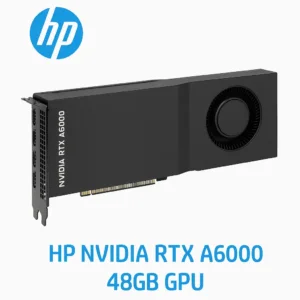
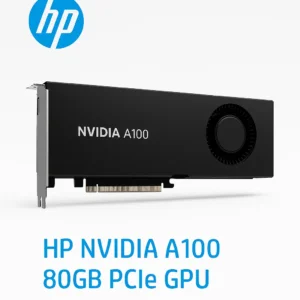
For organizations requiring even higher levels of AI and ML performance, the Synergy 480 Gen10 can be configured with GPU accelerators that provide specialized computational capabilities for parallel processing workloads. The composable infrastructure architecture enables GPU resources to be allocated dynamically to compute modules based on application requirements, providing flexibility in resource allocation while ensuring optimal performance for AI and ML workloads. This approach enables organizations to implement AI and ML capabilities without requiring dedicated hardware for each application, improving resource utilization and reducing overall infrastructure costs.
Security and Compliance Enhancements
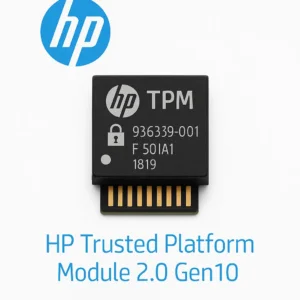
Security requirements continue to evolve as organizations face increasingly sophisticated threats and regulatory compliance requirements, and the HP Synergy 480 Gen10 incorporates advanced security features designed to protect against both external attacks and internal vulnerabilities. The compute module includes hardware-based security features such as Intel Trusted Execution Technology (TXT) and Trusted Platform Module (TPM) 2.0 support that provide secure foundations for implementing comprehensive security strategies. These hardware-based security features enable secure boot processes, encrypted storage, and secure communication protocols that protect sensitive data and applications.
The composable infrastructure architecture also enables advanced security capabilities such as micro-segmentation and zero-trust networking, where network access is controlled at a granular level based on application requirements and security policies. The Synergy 480 Gen10 supports integration with security orchestration and automated response (SOAR) platforms that can automatically detect and respond to security threats, reducing the time between threat detection and remediation. This automated security approach is particularly important for organizations operating in regulated industries or those handling sensitive data that requires strict security controls.
Energy Efficiency and Sustainability
Energy efficiency is an increasingly important consideration for organizations seeking to reduce operational costs and meet environmental sustainability goals, and the HP Synergy 480 Gen10 incorporates numerous features designed to minimize power consumption while maintaining high performance levels. The compute module utilizes advanced power management technologies that can dynamically adjust processor frequency and voltage based on workload demands, reducing power consumption during periods of lower utilization. The Intel Xeon Scalable processors include advanced power management features that can provide significant energy savings compared to previous processor generations.
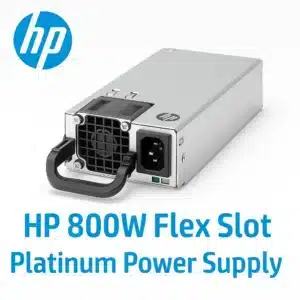
The composable infrastructure architecture also contributes to energy efficiency by enabling higher resource utilization rates compared to traditional server architectures. The ability to dynamically allocate and reallocate resources based on application requirements means that organizations can avoid over-provisioning resources, reducing the total amount of hardware required and associated power consumption. The shared infrastructure components of the composable architecture, such as power supplies and cooling systems, also provide efficiency improvements compared to traditional server architectures where each server includes its own dedicated infrastructure components.
Deployment and Migration Strategies
Successful deployment of the HP Synergy 480 Gen10 requires careful planning and consideration of existing infrastructure, applications, and operational processes. Organizations should begin by conducting a comprehensive assessment of their current infrastructure and application requirements to identify opportunities for improvement and optimization through composable infrastructure adoption. This assessment should include evaluation of current resource utilization rates, application performance requirements, and operational challenges that could be addressed through the flexibility and automation capabilities of composable infrastructure.
Migration strategies should be developed to minimize disruption to existing applications and services while maximizing the benefits of the new infrastructure capabilities. Organizations may choose to implement a phased migration approach, starting with new applications or non-critical workloads before migrating mission-critical applications to the composable infrastructure environment. This approach enables organizations to gain experience with the new technology and operational processes while minimizing risk to critical business operations. Working with experienced HP partners in Dubai can help organizations develop comprehensive migration plans that address all aspects of the transition to composable infrastructure.
Future-Proofing and Scalability
The HP Synergy 480 Gen10 is designed to provide a foundation for future growth and technology evolution, with architectural features that enable organizations to adapt to changing requirements and emerging technologies. The composable infrastructure approach provides inherent scalability, enabling organizations to add compute, storage, and networking resources as needed without requiring major architectural changes. The software-defined nature of the infrastructure also means that new capabilities and features can be added through software updates rather than requiring hardware replacements.
The compute module’s support for emerging technologies such as persistent memory, high-speed networking, and hardware accelerators ensures that organizations can take advantage of new technologies as they become available and as application requirements evolve. This future-proofing capability is particularly important for organizations making significant infrastructure investments, as it helps ensure that the infrastructure will continue to meet requirements and provide value over its entire lifecycle. The modular nature of composable infrastructure also means that individual components can be upgraded or replaced as needed without affecting the entire infrastructure environment, providing additional flexibility for future technology adoption.