

Description
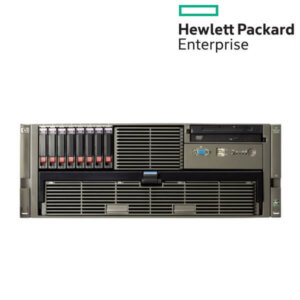
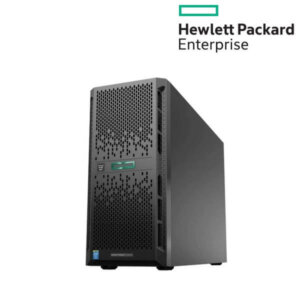
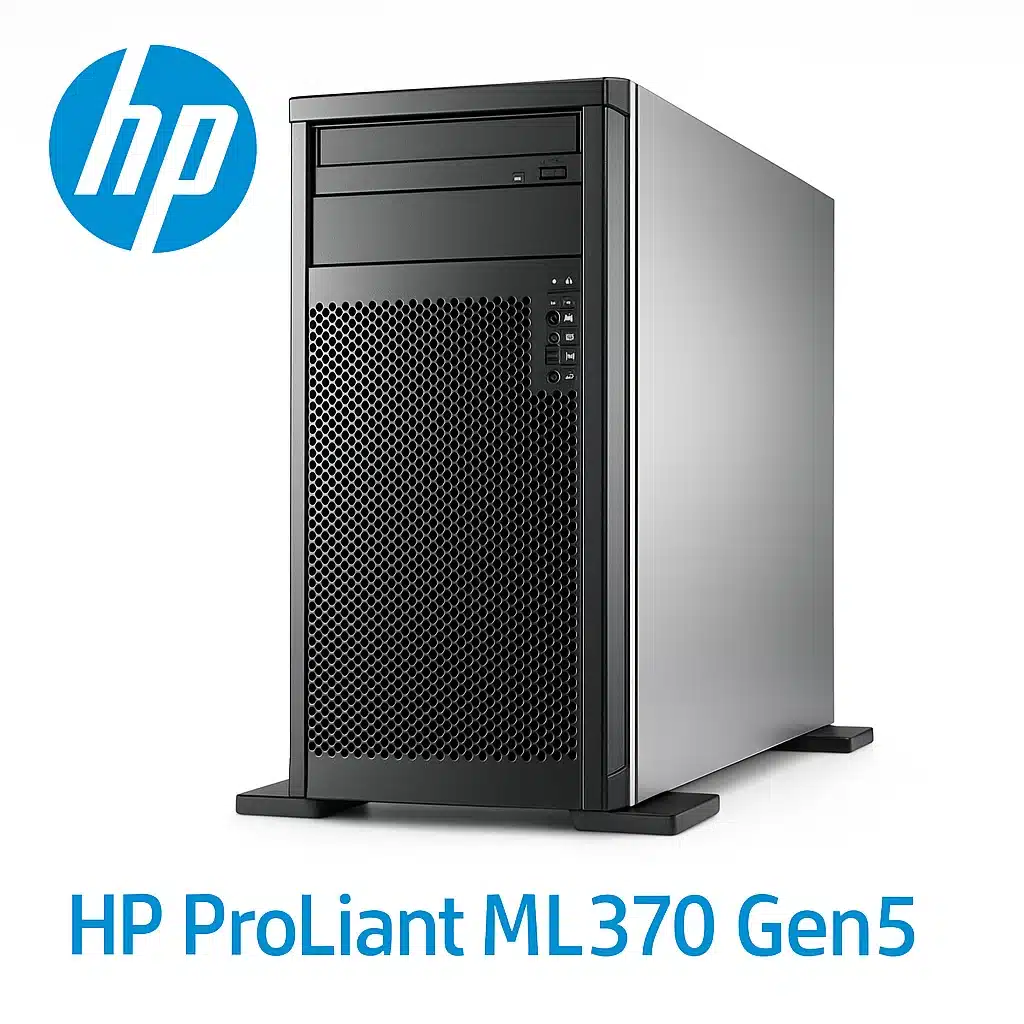
HP ProLiant ML370 Gen5 Server Dubai – Performance Tower Excellence
Overview of HP ProLiant ML370 Gen5 Server Dubai
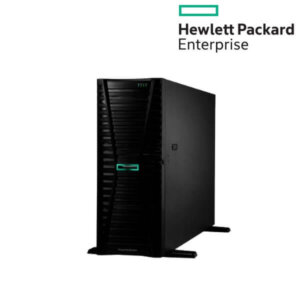
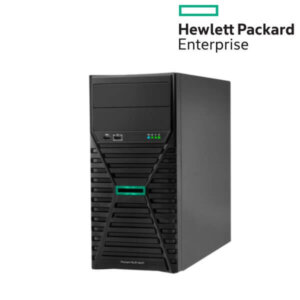
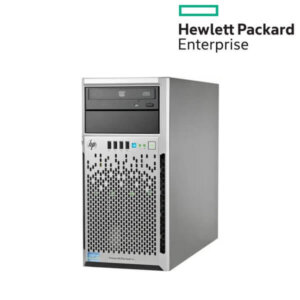
The HP ProLiant ML370 Gen5 Server Dubai represents a pinnacle of tower server engineering excellence, specifically designed to deliver exceptional performance, reliability, and scalability for enterprise environments throughout the Middle East region. This sophisticated tower server embodies HP’s commitment to providing robust computing solutions that address the diverse needs of modern organizations, from small businesses to large enterprises requiring substantial computational resources. The ML370 Gen5 stands as a testament to HP’s innovative approach to server design, incorporating advanced technologies and proven engineering principles that ensure reliable operation in demanding business environments.
Built upon HP’s proven ProLiant foundation, the ML370 Gen5 Server Dubai incorporates cutting-edge Intel processor technology, delivering exceptional computational performance within a versatile tower form factor that provides maximum flexibility for deployment in various environments. This server is meticulously designed to address the specific needs of organizations requiring high-performance computing capabilities, substantial storage capacity, and comprehensive expansion options without the constraints of rack-mounted infrastructure. The integration of advanced management systems ensures optimal operating efficiency, while the robust construction guarantees long-term reliability and minimal maintenance requirements.
Processor Architecture and Performance Excellence
Intel Xeon Processor Technology
The HP ProLiant ML370 Gen5 Server Dubai features support for the latest Intel Xeon 5400 and 5500 series processors, delivering exceptional multi-core performance that scales efficiently with demanding enterprise workloads. The server supports dual-socket configurations, enabling organizations to deploy up to two processors for enhanced computational capacity and improved parallel processing capabilities. These processors incorporate Intel’s advanced microarchitecture, featuring integrated memory controllers, enhanced cache hierarchies, and comprehensive virtualization support that optimize performance across diverse application scenarios.
The processor subsystem includes support for Intel Turbo Boost Technology, which automatically increases processor frequency when additional performance is required, ensuring optimal responsiveness during peak demand periods. The integration of Intel Hyper-Threading Technology enables each processor core to handle multiple threads simultaneously, effectively increasing the number of available processing threads and improving overall system throughput. This advanced processor architecture ensures that the ML370 Gen5 can efficiently handle complex computational tasks, database operations, and virtualized environments with exceptional performance characteristics.
Advanced Performance Optimization
The server incorporates sophisticated performance optimization technologies that maximize computational efficiency and ensure optimal resource utilization across all system components. The processor architecture includes advanced branch prediction algorithms, out-of-order execution capabilities, and comprehensive instruction set extensions that accelerate specific computational tasks. The integration of Intel’s Smart Cache technology provides shared cache resources that improve data access patterns and reduce memory latency for multi-threaded applications.
The performance optimization extends to the system bus architecture, which incorporates high-speed interconnects that minimize data transfer bottlenecks and ensure efficient communication between processors, memory, and I/O subsystems. The server supports various performance monitoring and tuning tools that enable administrators to optimize system configuration for specific workload requirements. The comprehensive performance management capabilities ensure that organizations can achieve maximum return on their server investment while maintaining optimal application performance.
Memory Architecture and Scalability
Comprehensive Memory Subsystem
The memory subsystem of the HP ProLiant ML370 Gen5 Server Dubai is engineered to deliver exceptional performance and scalability, supporting up to 192GB of DDR3 registered memory across twelve DIMM slots. This substantial memory capacity enables organizations to deploy memory-intensive applications, large databases, and comprehensive virtualization platforms that require significant RAM resources. The server supports various memory configurations, including 1GB, 2GB, 4GB, 8GB, and 16GB DIMMs, providing exceptional flexibility in memory deployment strategies and future expansion planning.
The advanced memory architecture incorporates error-correcting code (ECC) technology, which automatically detects and corrects single-bit memory errors while detecting multi-bit errors, ensuring data integrity and system reliability. The implementation of registered memory modules provides enhanced signal integrity and improved system stability, particularly important in mission-critical environments where data accuracy and system availability are paramount. The memory subsystem operates at speeds up to 1333MHz, delivering high-bandwidth data access that supports demanding applications and reduces processing bottlenecks.
Memory Performance and Optimization
The server incorporates advanced memory management technologies that optimize memory performance and ensure efficient utilization of available memory resources. The memory architecture includes support for memory interleaving, which distributes memory accesses across multiple memory channels to maximize bandwidth utilization and reduce access latency. The integration of advanced memory controllers provides optimized memory scheduling and prefetching capabilities that improve overall system performance.
The memory subsystem includes comprehensive monitoring and diagnostic capabilities that track memory health, performance metrics, and error rates. The server supports memory mirroring and memory sparing technologies that provide enhanced reliability and fault tolerance for critical applications. The advanced memory management features enable organizations to optimize memory configuration for specific workload requirements while ensuring maximum system reliability and performance.
Storage Solutions and Data Management
Comprehensive Storage Architecture
The HP ProLiant ML370 Gen5 Server Dubai provides exceptional storage flexibility and capacity, supporting up to eight 3.5-inch SATA or SAS drives within the tower chassis. This substantial storage capacity enables organizations to deploy significant amounts of local storage without requiring additional external storage systems. The server supports various drive types, including traditional hard disk drives (HDDs), solid-state drives (SSDs), and hybrid storage solutions that combine the benefits of both technologies for optimal performance and cost-effectiveness.
The integrated Smart Array controller technology provides advanced RAID capabilities, including RAID 0, 1, 5, 6, 10, and 50 configurations, ensuring comprehensive data protection and performance optimization. The Smart Array controller incorporates battery-backed write cache with capacities up to 1GB, which protects data during power outages and significantly enhances write performance for demanding applications. The storage subsystem includes hot-plug drive bays with online spare capabilities, enabling drive replacement and maintenance without system downtime, crucial for maintaining continuous operations in production environments.
Advanced Storage Management
The storage architecture incorporates HP’s comprehensive storage management technologies, including predictive failure analysis, drive health monitoring, and automated data protection features. The server supports both SATA and SAS drive interfaces, providing options for cost-effective high-capacity storage or high-performance enterprise-grade storage solutions. The implementation of Native Command Queuing (NCQ) and Tagged Command Queuing (TCQ) optimizes drive performance by reordering commands for maximum efficiency and reduced latency.
The server includes support for HP’s Array Configuration Utility and Storage Management Utility, which provide comprehensive monitoring and management capabilities for the storage subsystem. These utilities enable administrators to monitor drive health, configure RAID arrays, perform maintenance tasks, and optimize storage performance through intuitive interfaces. The integration of S.M.A.R.T. (Self-Monitoring, Analysis, and Reporting Technology) provides early warning of potential drive failures, enabling proactive maintenance and data protection strategies.
Network Connectivity and I/O Expansion
Enterprise Network Interface Capabilities
The HP ProLiant ML370 Gen5 Server Dubai incorporates dual embedded Gigabit Ethernet controllers with advanced networking features, providing redundant connectivity and enhanced network performance capabilities. These integrated network interfaces support comprehensive features including VLAN tagging, jumbo frame support, network teaming configurations, and advanced traffic management that optimize network utilization and reliability. The Gigabit Ethernet controllers include hardware-based packet processing and TCP/IP offload capabilities that reduce CPU overhead and improve network throughput.
The network subsystem supports advanced features such as Wake-on-LAN functionality, enabling remote power management and system administration capabilities. The implementation of industry-standard network protocols ensures seamless integration with existing network infrastructure, while advanced Quality of Service (QoS) features enable traffic prioritization for critical applications. The dual network interfaces can be configured for various deployment scenarios, including redundancy, load balancing, or separate network segments based on organizational requirements.
Comprehensive Expansion Capabilities
The server provides extensive expansion capabilities through multiple PCIe slots that accommodate additional network interfaces, storage controllers, and specialized adapter cards. The PCIe slots support various card types, including 10 Gigabit Ethernet adapters, Fibre Channel host bus adapters, InfiniBand controllers, and GPU accelerators, enabling organizations to customize server configuration for specific application requirements. The expansion slots accommodate both full-height and low-profile adapter cards, providing maximum flexibility in component selection and system customization.
The I/O subsystem includes multiple USB ports for peripheral connectivity and system management functions, with both front-panel and rear-panel USB connections for convenient access during maintenance and administrative tasks. The server incorporates a dedicated management network interface that provides out-of-band management capabilities through HP’s Integrated Lights-Out (iLO) technology, enabling comprehensive remote monitoring and administration even when the server operating system is unavailable or experiencing issues.
Management and Monitoring Excellence
HP Integrated Lights-Out (iLO) Management
The HP ProLiant ML370 Gen5 Server Dubai incorporates advanced iLO management technology that provides comprehensive remote management capabilities, enabling administrators to monitor, configure, and maintain the server from any location with network connectivity. The iLO management processor operates independently of the main server processors, ensuring management functionality remains available during system failures, maintenance procedures, or operating system issues. This autonomous management capability includes remote console access, virtual media support, and comprehensive hardware monitoring.
The iLO interface provides detailed hardware monitoring capabilities, including temperature sensors throughout the chassis, fan speed monitoring, power consumption tracking, and comprehensive component health status reporting. The system generates automatic alerts for hardware failures, threshold violations, and maintenance requirements, enabling proactive system management and significantly reduced downtime. The integration of virtual KVM (keyboard, video, mouse) functionality allows administrators to access the server console remotely, facilitating troubleshooting and configuration tasks without requiring physical access to the server.
Comprehensive System Health and Diagnostics
The server incorporates extensive health monitoring systems that continuously track critical components including processors, memory modules, storage devices, power supplies, and cooling systems. The health monitoring system utilizes sophisticated algorithms to detect potential failures before they impact system operation, enabling preventive maintenance strategies that minimize unplanned downtime and service disruptions. The diagnostic capabilities include built-in self-tests, component verification procedures, and comprehensive error logging that facilitates rapid problem identification and resolution.
The system management features include automatic recovery mechanisms that can restart failed components or initiate failover procedures to maintain system availability and service continuity. The server supports HP’s comprehensive Insight Management suite, which provides centralized monitoring and management capabilities for multiple servers within the data center environment. This integration enables comprehensive infrastructure management, automated deployment procedures, and standardized configuration management across the entire server fleet.
Power Efficiency and Environmental Considerations
Advanced Energy Management Technologies
The HP ProLiant ML370 Gen5 Server Dubai incorporates sophisticated power management technologies that optimize energy consumption while maintaining peak performance capabilities for demanding workloads. The server features HP’s Dynamic Power Capping technology, which enables administrators to set precise power consumption limits and automatically adjusts system performance to stay within specified power budgets. This capability is particularly valuable in environments where power resources are constrained or where energy costs are a significant operational consideration.
The power subsystem includes high-efficiency power supplies that meet or exceed 80 PLUS certification standards, ensuring optimal power conversion efficiency and reduced energy waste. The server supports both redundant and non-redundant power supply configurations, providing options for enhanced reliability or cost optimization based on specific deployment requirements and availability needs. The implementation of intelligent power management algorithms automatically adjusts processor frequencies, memory refresh rates, and peripheral power states based on real-time workload demands.
Thermal Management and Cooling Optimization
The thermal management system of the ML370 Gen5 is engineered to maintain optimal operating temperatures while minimizing noise levels and power consumption. The server incorporates strategically positioned cooling fans that provide targeted airflow to critical components, ensuring efficient heat dissipation even under maximum load conditions and extended operation periods. The fan control algorithms automatically adjust fan speeds based on temperature sensors throughout the system, optimizing cooling efficiency while reducing acoustic emissions and power consumption.
The chassis design incorporates advanced airflow management features, including optimized air intake and exhaust paths that maximize cooling efficiency and ensure proper thermal distribution throughout the server. The server supports both standard and extended temperature operating ranges, enabling deployment in various environmental conditions and facility configurations. The thermal monitoring system provides real-time temperature data and automatic protection mechanisms that prevent component damage due to overheating conditions.
Security Features and Data Protection
Hardware-Based Security Implementation
The HP ProLiant ML370 Gen5 Server Dubai incorporates comprehensive security features that protect against unauthorized access, data breaches, and security threats. The server includes Trusted Platform Module (TPM) support, which provides hardware-based encryption key storage and system integrity verification capabilities. The TPM functionality enables secure boot processes, encrypted storage solutions, and authentication mechanisms that enhance overall system security and protect sensitive organizational data.
The security architecture includes multiple levels of access control, including BIOS-level passwords, administrator authentication, and role-based access management through the iLO interface. The server supports secure remote management protocols, including encrypted communication channels and certificate-based authentication that protect management traffic from interception and tampering. The implementation of hardware-based security features ensures that security mechanisms remain effective even if the operating system is compromised or unavailable.
Data Integrity and Protection Mechanisms
The server incorporates advanced data protection mechanisms that ensure information integrity and availability across all system components. The ECC memory subsystem provides automatic error detection and correction capabilities that prevent data corruption due to memory errors, cosmic radiation, or electrical interference. The storage subsystem includes comprehensive RAID support with hot-spare capabilities, enabling automatic recovery from drive failures without data loss or system downtime.
The backup and recovery features include support for various backup solutions, including tape libraries, disk-based backup systems, network-attached storage, and cloud-based backup services. The server supports advanced snapshot technologies that enable point-in-time data recovery and rapid system restoration capabilities. The integration of data deduplication and compression technologies optimizes storage utilization and reduces backup time requirements while maintaining data integrity and enabling efficient disaster recovery procedures.
Applications and Use Cases
Enterprise Database Solutions
The HP ProLiant ML370 Gen5 Server Dubai excels in enterprise database applications, providing the performance, storage capacity, and reliability required for mission-critical database deployments. The server’s substantial memory capacity enables large database caches that improve query performance and reduce storage I/O requirements. The high-performance storage subsystem with advanced RAID protection ensures data integrity and availability for business-critical database applications that support organizational operations.
The server supports major database platforms including Oracle, Microsoft SQL Server, MySQL, PostgreSQL, and NoSQL databases, providing flexibility to deploy various database solutions based on specific organizational requirements. The advanced processor architecture with multiple cores and threads enables efficient parallel query processing and concurrent user support for demanding database workloads. The comprehensive monitoring and management capabilities facilitate database performance optimization and proactive maintenance procedures that ensure optimal database availability and performance.
File and Application Server Deployments
The ML370 Gen5 is ideally suited for file server and application server deployments, offering substantial storage capacity and robust network connectivity for supporting large numbers of concurrent users and diverse application workloads. The server’s high-capacity storage configuration enables the deployment of large file shares, home directories, collaborative workspaces, and application data repositories that support organizational productivity requirements. The dual Gigabit Ethernet interfaces provide sufficient bandwidth for file transfer operations and application access.
The server supports various file sharing protocols including SMB/CIFS, NFS, and FTP, ensuring compatibility with diverse client operating systems and applications. The integration of advanced caching mechanisms improves file access performance, while the RAID storage protection ensures data availability and integrity. The comprehensive backup and recovery capabilities protect against data loss and enable rapid restoration of file and application services following system failures or data corruption incidents.
Virtualization and Consolidation
The server provides an excellent platform for virtualization and server consolidation projects, offering the performance and reliability required to consolidate multiple physical servers onto a single platform. The substantial processing power and memory capacity enable organizations to deploy numerous virtual machines while maintaining optimal performance for each virtualized workload. The advanced storage capabilities support various virtual machine storage requirements and enable efficient virtual machine provisioning and management procedures.
The server supports comprehensive virtualization management tools that simplify virtual machine deployment, monitoring, and maintenance procedures. The integration of advanced backup and recovery capabilities protects virtualized environments and enables rapid recovery from system failures. The energy-efficient design reduces power consumption and cooling requirements compared to multiple physical servers, providing significant operational cost savings while improving data center efficiency and environmental sustainability.
Deployment and Configuration Excellence
Initial Setup and Configuration Procedures
The deployment of the HP ProLiant ML370 Gen5 Server Dubai requires comprehensive planning and configuration to ensure optimal performance and reliability for intended applications and organizational requirements. The initial setup process includes BIOS configuration, processor optimization, storage array creation, network configuration, and operating system installation. The server’s setup utilities provide guided configuration wizards that simplify the deployment process and ensure proper system configuration according to industry best practices and HP recommendations.
The storage configuration should be optimized based on intended applications and performance requirements, with consideration for data protection needs and future expansion requirements. For database applications, RAID 10 configurations provide optimal performance and protection, while file server deployments may benefit from RAID 5 or RAID 6 configurations that maximize storage capacity. The memory configuration should be optimized for specific workload requirements, with proper population of memory channels to maximize bandwidth and performance while planning for future expansion needs.
Performance Optimization and Tuning
The server performance can be significantly optimized through various configuration adjustments and tuning procedures that align system capabilities with workload requirements and organizational performance objectives. The processor power management settings should be configured based on workload characteristics, with high-performance settings for compute-intensive applications and balanced settings for general-purpose workloads. The memory configuration should utilize all available memory channels to maximize bandwidth and minimize latency for memory-intensive applications.
The storage performance can be optimized through proper RAID configuration, cache settings, drive selection, and file system optimization procedures. The network configuration should include appropriate VLAN settings, jumbo frame support, and network teaming configurations that optimize network performance and reliability. The monitoring and alerting systems should be configured to provide proactive notification of performance issues, capacity constraints, and maintenance requirements that enable proactive system management and optimization.
Maintenance and Support Excellence
Preventive Maintenance and Health Management
The HP ProLiant ML370 Gen5 Server Dubai requires regular maintenance procedures to ensure optimal performance, reliability, and longevity throughout its operational lifecycle. The maintenance schedule should include firmware updates, hardware health checks, performance monitoring reviews, and preventive component replacement based on usage patterns and environmental conditions. The server’s comprehensive diagnostic tools provide detailed health assessments that identify potential issues before they impact system operation or organizational productivity.
The maintenance procedures include cleaning of air filters, verification of cooling system operation, inspection of cable connections, and validation of backup and recovery procedures. The storage subsystem requires periodic health checks, including drive error monitoring, RAID array verification, and performance optimization procedures. The memory subsystem should be tested periodically to identify potential failures and ensure continued data integrity and system stability throughout the server lifecycle.
Technical Support and Warranty Coverage
HP provides comprehensive technical support and warranty coverage for the ProLiant ML370 Gen5 Server Dubai, ensuring rapid resolution of technical issues and minimal system downtime throughout the server lifecycle. The support services include 24/7 technical assistance, on-site repair services, and proactive monitoring capabilities that identify and resolve issues before they impact operations or business continuity. The warranty coverage includes parts replacement, labor costs, and comprehensive system support with various service level options tailored to organizational requirements.
The support services include access to HP’s extensive knowledge base, technical documentation, software updates, and training resources that ensure optimal system operation and administrator proficiency. The proactive support capabilities include automated case creation, parts dispatch, and engineer assignment that minimize response times and resolution delays. The comprehensive support coverage ensures that organizations can maintain optimal system availability and performance throughout the server lifecycle while minimizing total cost of ownership and operational complexity.