

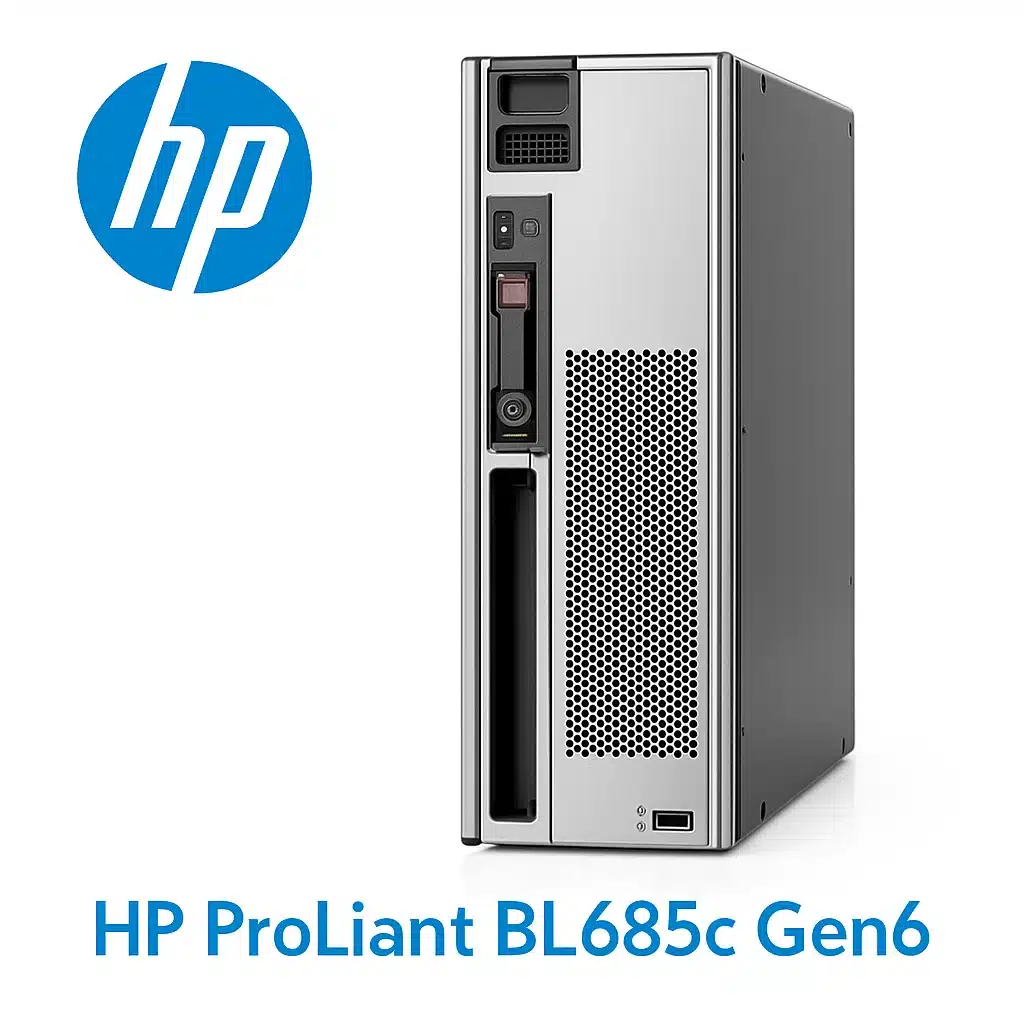
Description
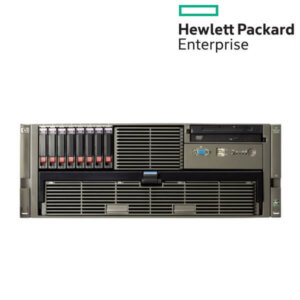
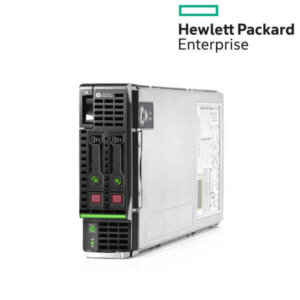
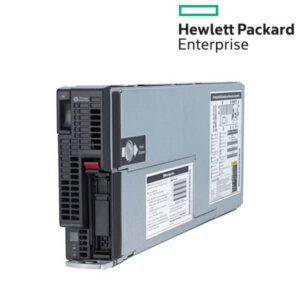
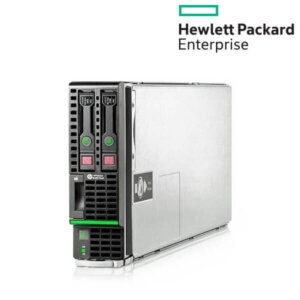
HP ProLiant BL685c Gen6 Server Dubai – AMD Full-Height Blade Excellence
Overview of HP ProLiant BL685c Gen6 Server Dubai
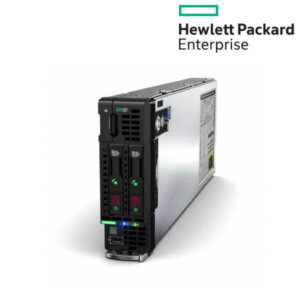
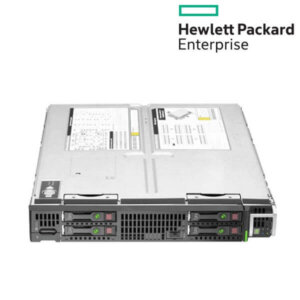
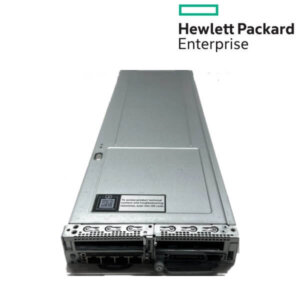
The HP ProLiant BL685c Gen6 Server Dubai represents the pinnacle of AMD-powered blade server technology, specifically engineered to deliver exceptional computational performance and efficiency within HP’s BladeSystem infrastructure. This sophisticated full-height blade server embodies the perfect fusion of advanced AMD processor technology, innovative blade architecture, and comprehensive enterprise features that address the most demanding requirements of modern data centers throughout the Middle East region. The BL685c Gen6 stands as a testament to HP’s commitment to providing diverse processor options and maximizing data center density while delivering uncompromising performance and reliability.
Designed with meticulous attention to enterprise blade computing requirements, the BL685c Gen6 Server Dubai incorporates cutting-edge AMD Opteron processors that deliver exceptional multi-core performance while maintaining energy efficiency and cost-effectiveness within the blade form factor. This server platform is specifically optimized for workloads that benefit from AMD’s advanced memory architecture and high core counts, including high-performance computing applications, virtualization platforms, and compute-intensive database operations. The full-height blade design provides optimal balance between performance capabilities and blade density, enabling organizations to maximize their BladeSystem efficiency while deploying substantial computational resources.
AMD Processor Architecture and Blade Performance
Advanced AMD Opteron Blade Technology
The HP ProLiant BL685c Gen6 Server Dubai features support for the latest AMD Opteron 6100 and 6200 series processors, delivering exceptional multi-core performance that scales efficiently across diverse workload scenarios within the blade infrastructure. These processors incorporate AMD’s advanced Bulldozer microarchitecture, featuring up to 16 cores per processor and support for dual-socket configurations that enable deployment of up to 32 processing cores within a single full-height blade. The AMD architecture provides superior memory bandwidth and integrated memory controllers that eliminate traditional bottlenecks while optimizing blade performance.
The processor subsystem includes support for AMD’s Turbo CORE technology, which automatically increases processor frequency for single-threaded applications while maintaining optimal power consumption within blade power constraints. The integration of AMD’s HyperTransport technology provides high-speed interconnects between processors, memory, and I/O subsystems, ensuring optimal data flow and minimal latency within the blade architecture. The advanced processor architecture includes comprehensive virtualization support with AMD-V technology, enabling efficient virtual machine deployment and management within blade environments.
Memory Architecture and Blade Scalability
The memory subsystem of the BL685c Gen6 is engineered to leverage AMD’s advanced memory architecture while optimizing for blade form factor constraints, supporting up to 256GB of DDR3 registered memory across sixteen DIMM slots. This substantial memory capacity enables organizations to deploy memory-intensive applications, large-scale virtualization platforms, and high-performance computing workloads that require significant RAM resources within the blade infrastructure. The server supports various memory configurations, providing exceptional flexibility in memory deployment strategies within BladeSystem environments.
The AMD memory architecture incorporates integrated memory controllers that provide direct memory access for each processor, eliminating traditional memory bottlenecks and improving overall blade performance. The implementation of error-correcting code (ECC) technology ensures data integrity and system reliability, while registered memory modules provide enhanced signal integrity and improved system stability within the blade environment. The memory subsystem operates at speeds up to 1333MHz, delivering high-bandwidth data access that supports demanding applications and reduces processing latency.
BladeSystem Integration and Infrastructure
HP BladeSystem Architecture Integration
The HP ProLiant BL685c Gen6 Server Dubai is specifically designed for seamless integration within HP’s BladeSystem infrastructure, leveraging shared power, cooling, and networking resources to maximize data center efficiency and reduce operational complexity. The blade server connects to the BladeSystem enclosure through high-speed interconnects that provide power, network connectivity, and management interfaces without requiring individual cables or connections. This integration enables rapid blade deployment, simplified maintenance procedures, and centralized management capabilities.
The BladeSystem architecture provides shared redundant power supplies, cooling systems, and network switches that reduce infrastructure costs and improve overall system reliability. The blade server utilizes the enclosure’s advanced cooling systems, which provide targeted airflow and thermal management optimized for high-density blade deployments. The shared infrastructure approach enables organizations to achieve higher server density while reducing power consumption, cooling requirements, and management overhead compared to traditional rack-mounted servers.
Network and Storage Connectivity
The BL685c Gen6 integrates with BladeSystem network modules that provide comprehensive connectivity options, including Gigabit Ethernet, 10 Gigabit Ethernet, Fibre Channel, and InfiniBand interfaces. The blade server connects to these network modules through high-speed mezzanine cards that provide flexible networking options without consuming external ports or requiring additional cabling. This architecture enables organizations to customize network connectivity based on specific application requirements while maintaining the benefits of shared infrastructure.
The storage connectivity options include support for SAN (Storage Area Network) connections through Fibre Channel interfaces, iSCSI connectivity through Ethernet interfaces, and direct-attached storage through the BladeSystem storage modules. The blade server supports various storage configurations, including local storage options and shared storage resources that can be dynamically allocated based on workload requirements. The flexible storage architecture enables organizations to optimize storage resources and implement comprehensive data protection strategies.
Performance and Computational Capabilities
High-Performance Computing Optimization
The HP ProLiant BL685c Gen6 Server Dubai excels in high-performance computing (HPC) applications, providing exceptional computational density and performance within the BladeSystem infrastructure. The AMD processor architecture with multiple cores and advanced memory subsystem enables efficient parallel processing and complex computational tasks that are common in scientific computing, engineering simulations, and research applications. The blade form factor enables organizations to deploy large numbers of compute nodes within a compact footprint, maximizing computational resources while minimizing data center space requirements.
The server supports major HPC software platforms and development tools, including parallel computing frameworks, scientific computing libraries, and specialized simulation software. The BladeSystem infrastructure provides high-speed interconnects between blades, enabling efficient cluster deployments and distributed computing configurations. The shared cooling and power infrastructure ensures optimal operating conditions for sustained high-performance computing workloads while maintaining energy efficiency.
Virtualization and Consolidation Excellence
The BL685c Gen6 provides an exceptional platform for virtualization and server consolidation projects, offering the performance and reliability required to consolidate multiple physical servers onto blade infrastructure. The substantial processing power and memory capacity enable organizations to deploy numerous virtual machines while maintaining optimal performance for each virtualized workload. The blade architecture simplifies virtual machine migration and load balancing across the BladeSystem infrastructure.
The server supports comprehensive virtualization management tools that integrate with BladeSystem management capabilities, simplifying virtual machine deployment, monitoring, and maintenance procedures. The integration of advanced backup and recovery capabilities protects virtualized environments and enables rapid recovery from system failures. The energy-efficient blade design reduces power consumption and cooling requirements compared to traditional server deployments, providing significant operational cost savings.
Management and Monitoring Integration
BladeSystem Management Integration
The HP ProLiant BL685c Gen6 Server Dubai integrates seamlessly with HP’s comprehensive BladeSystem management infrastructure, providing centralized monitoring and management capabilities for the entire blade environment. The blade server connects to the Onboard Administrator (OA) modules within the BladeSystem enclosure, enabling centralized power management, thermal monitoring, and system configuration. This integration provides a single point of management for multiple blade servers, simplifying administrative tasks and reducing management overhead.
The management integration includes comprehensive health monitoring capabilities that track blade server status, component health, and performance metrics through the centralized management interface. The system provides automatic alerting for hardware failures, threshold violations, and maintenance requirements across all blade servers within the enclosure. The centralized management approach enables administrators to monitor and manage large numbers of blade servers efficiently while maintaining detailed visibility into individual blade performance and health status.
Advanced Monitoring and Diagnostics
The blade server incorporates extensive health monitoring systems that continuously track critical components including processors, memory modules, and integrated systems. The health monitoring system utilizes sophisticated algorithms to detect potential failures before they impact system operation, enabling preventive maintenance strategies that minimize unplanned downtime. The diagnostic capabilities include built-in self-tests, component verification procedures, and comprehensive error logging that facilitates rapid problem identification and resolution.
The system management features include automatic recovery mechanisms that can restart failed components or initiate failover procedures to maintain system availability. The integration with HP’s Insight Management suite provides comprehensive infrastructure management capabilities that extend beyond individual blade servers to encompass the entire data center environment. This integration enables automated deployment procedures, standardized configuration management, and comprehensive performance optimization across the blade infrastructure.
Power Efficiency and Environmental Optimization
Blade Power Management Excellence
The HP ProLiant BL685c Gen6 Server Dubai incorporates sophisticated power management technologies that optimize energy consumption while maintaining peak performance capabilities within the blade infrastructure. The blade server leverages the BladeSystem’s shared power infrastructure, which provides high-efficiency power conversion and distribution that reduces energy waste and operational costs. The integration with Dynamic Power Capping technology enables administrators to set precise power consumption limits across multiple blade servers while automatically adjusting system performance to stay within specified power budgets.
The power management system includes intelligent algorithms that automatically adjust processor frequencies, memory refresh rates, and peripheral power states based on real-time workload demands. The blade architecture enables power sharing and load balancing across multiple blade servers, optimizing overall power utilization and reducing peak power requirements. The implementation of advanced power monitoring provides detailed power consumption data that enables organizations to optimize their power infrastructure and reduce energy costs.
Thermal Management and Cooling Integration
The thermal management system of the BL685c Gen6 is engineered to work seamlessly with the BladeSystem’s advanced cooling infrastructure, which provides targeted airflow and thermal management optimized for high-density blade deployments. The blade server incorporates strategically positioned thermal interfaces that efficiently transfer heat to the enclosure’s cooling systems, ensuring optimal operating temperatures even under maximum load conditions. The shared cooling approach provides superior thermal management compared to individual server cooling systems while reducing noise levels and power consumption.
The cooling integration includes intelligent thermal monitoring that coordinates between individual blade servers and the enclosure’s cooling systems to optimize thermal performance across the entire blade infrastructure. The system automatically adjusts cooling resources based on workload demands and thermal conditions, ensuring optimal operating temperatures while minimizing energy consumption. The advanced thermal management enables sustained high-performance operation while maintaining component reliability and longevity.
Security and Data Protection
Comprehensive Security Implementation
The HP ProLiant BL685c Gen6 Server Dubai incorporates comprehensive security features that protect against unauthorized access, data breaches, and security threats within the blade infrastructure. The blade server includes Trusted Platform Module (TPM) support, which provides hardware-based encryption key storage and system integrity verification capabilities. The TPM functionality enables secure boot processes, encrypted storage solutions, and authentication mechanisms that enhance overall system security within the BladeSystem environment.
The security architecture includes multiple levels of access control, including blade-level authentication, enclosure-level security, and role-based access management through the integrated management interfaces. The blade server supports secure remote management protocols, including encrypted communication channels and certificate-based authentication that protect management traffic from interception and tampering. The implementation of hardware-based security features ensures that security mechanisms remain effective even if individual blade operating systems are compromised.
Data Integrity and Protection Mechanisms
The blade server incorporates advanced data protection mechanisms that ensure information integrity and availability across all system components. The ECC memory subsystem provides automatic error detection and correction capabilities that prevent data corruption due to memory errors, cosmic radiation, or electrical interference. The integration with BladeSystem storage resources includes comprehensive data protection features and backup capabilities that protect against data loss and enable rapid recovery procedures.
The backup and recovery features include support for various backup solutions, including SAN-based backup systems, network-attached storage, and cloud-based backup services. The blade server supports advanced snapshot technologies and replication capabilities that enable point-in-time data recovery and disaster recovery procedures. The integration of data deduplication and compression technologies optimizes storage utilization and reduces backup time requirements while maintaining data integrity across the blade infrastructure.
Applications and Use Cases
Scientific Computing and Research Applications
The HP ProLiant BL685c Gen6 Server Dubai excels in scientific computing and research applications, providing exceptional computational density and performance for complex simulations, modeling, and analysis tasks. The AMD processor architecture with multiple cores enables efficient parallel processing of scientific algorithms, while the substantial memory capacity supports large datasets and memory-intensive computational tasks. The blade infrastructure enables organizations to deploy large-scale computing clusters within a compact footprint, maximizing computational resources for research initiatives.
The server supports major scientific computing software platforms, including MATLAB, Mathematica, computational fluid dynamics applications, and specialized research software. The high-speed interconnects within the BladeSystem infrastructure enable efficient communication between compute nodes, supporting distributed computing algorithms and parallel processing frameworks. The comprehensive management capabilities facilitate cluster deployment and maintenance procedures that are essential for research computing environments.
Database and Analytics Workloads
The BL685c Gen6 provides an excellent platform for database applications and analytics workloads, offering the performance, memory capacity, and scalability required for enterprise database deployments within blade infrastructure. The server’s substantial memory capacity enables large database caches that improve query performance and reduce storage I/O requirements. The AMD processor architecture with multiple cores enables efficient parallel query processing and concurrent user support for demanding database applications.
The server supports major database platforms including Oracle, Microsoft SQL Server, MySQL, PostgreSQL, and NoSQL databases, providing flexibility to deploy various database solutions based on specific requirements. The blade infrastructure enables database clustering and high-availability configurations that ensure continuous service availability. The comprehensive monitoring and management capabilities facilitate database performance optimization and proactive maintenance procedures that maintain optimal database performance.
Enterprise Application Hosting
The blade server is ideally suited for enterprise application hosting, providing the performance and reliability required to support mission-critical business applications within the blade infrastructure. The substantial processing power and memory capacity enable organizations to deploy complex enterprise applications while maintaining optimal performance and user experience. The blade architecture simplifies application deployment and scaling procedures, enabling organizations to respond quickly to changing business requirements.
The server supports major enterprise application platforms including SAP, Oracle applications, Microsoft Exchange, and custom business applications. The integration with BladeSystem management capabilities simplifies application monitoring and maintenance procedures while providing comprehensive performance visibility. The high-availability features and disaster recovery capabilities ensure continuous application availability and protect against service disruptions.
Deployment and Configuration Excellence
BladeSystem Deployment Procedures
The deployment of the HP ProLiant BL685c Gen6 Server Dubai within BladeSystem infrastructure requires comprehensive planning and configuration to ensure optimal performance and integration with existing blade environments. The deployment process includes blade server configuration, BladeSystem integration, network configuration, and application deployment procedures. The BladeSystem management tools provide guided configuration wizards that simplify the deployment process and ensure proper integration with existing infrastructure.
The blade configuration should be optimized based on intended applications and performance requirements, with consideration for power consumption, thermal management, and network connectivity needs. The memory configuration should be optimized for specific workload requirements, with proper population of memory channels to maximize bandwidth and performance. The network configuration should align with BladeSystem network modules and organizational networking requirements to ensure optimal connectivity and performance.
Performance Optimization and Tuning
The blade server performance can be significantly optimized through various configuration adjustments and tuning procedures that align system capabilities with workload requirements and BladeSystem infrastructure. The processor power management settings should be configured based on workload characteristics and power budget constraints within the blade environment. The memory configuration should utilize all available memory channels to maximize bandwidth and minimize latency for memory-intensive applications.
The network configuration should be optimized for specific application requirements, including VLAN settings, Quality of Service configurations, and network teaming options that maximize network performance within the BladeSystem infrastructure. The monitoring and alerting systems should be configured to provide proactive notification of performance issues, capacity constraints, and maintenance requirements across the blade environment. The integration with BladeSystem management tools enables comprehensive performance monitoring and optimization procedures.
Maintenance and Support Excellence
BladeSystem Maintenance Procedures
The HP ProLiant BL685c Gen6 Server Dubai requires regular maintenance procedures that are integrated with BladeSystem infrastructure maintenance to ensure optimal performance and reliability throughout the operational lifecycle. The maintenance schedule should include firmware updates, hardware health checks, performance monitoring reviews, and preventive component replacement based on usage patterns and environmental conditions. The BladeSystem management tools provide comprehensive maintenance scheduling and tracking capabilities that simplify maintenance procedures.
The maintenance procedures include verification of blade server health, validation of BladeSystem infrastructure components, and testing of backup and recovery procedures. The blade architecture enables hot-swappable maintenance procedures that minimize service disruptions and maintain continuous operations. The centralized management capabilities facilitate coordinated maintenance procedures across multiple blade servers while maintaining detailed maintenance records and compliance documentation.
Technical Support and Warranty Coverage
HP provides comprehensive technical support and warranty coverage for the ProLiant BL685c Gen6 Server Dubai, ensuring rapid resolution of technical issues and minimal system downtime throughout the blade server lifecycle. The support services include 24/7 technical assistance, on-site repair services, and proactive monitoring capabilities that identify and resolve issues before they impact operations. The warranty coverage includes parts replacement, labor costs, and comprehensive system support with various service level options tailored to blade infrastructure requirements.
The support services include access to HP’s extensive knowledge base, technical documentation, software updates, and specialized BladeSystem training resources that ensure optimal system operation and administrator proficiency. The proactive support capabilities include automated case creation, parts dispatch, and engineer assignment that minimize response times and resolution delays. The comprehensive support coverage ensures that organizations can maintain optimal blade infrastructure availability and performance while minimizing total cost of ownership and operational complexity.