

Description
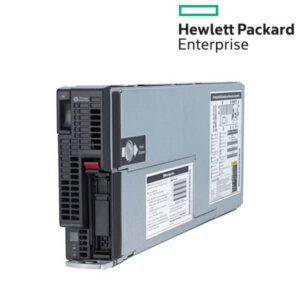
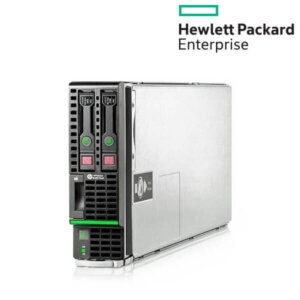
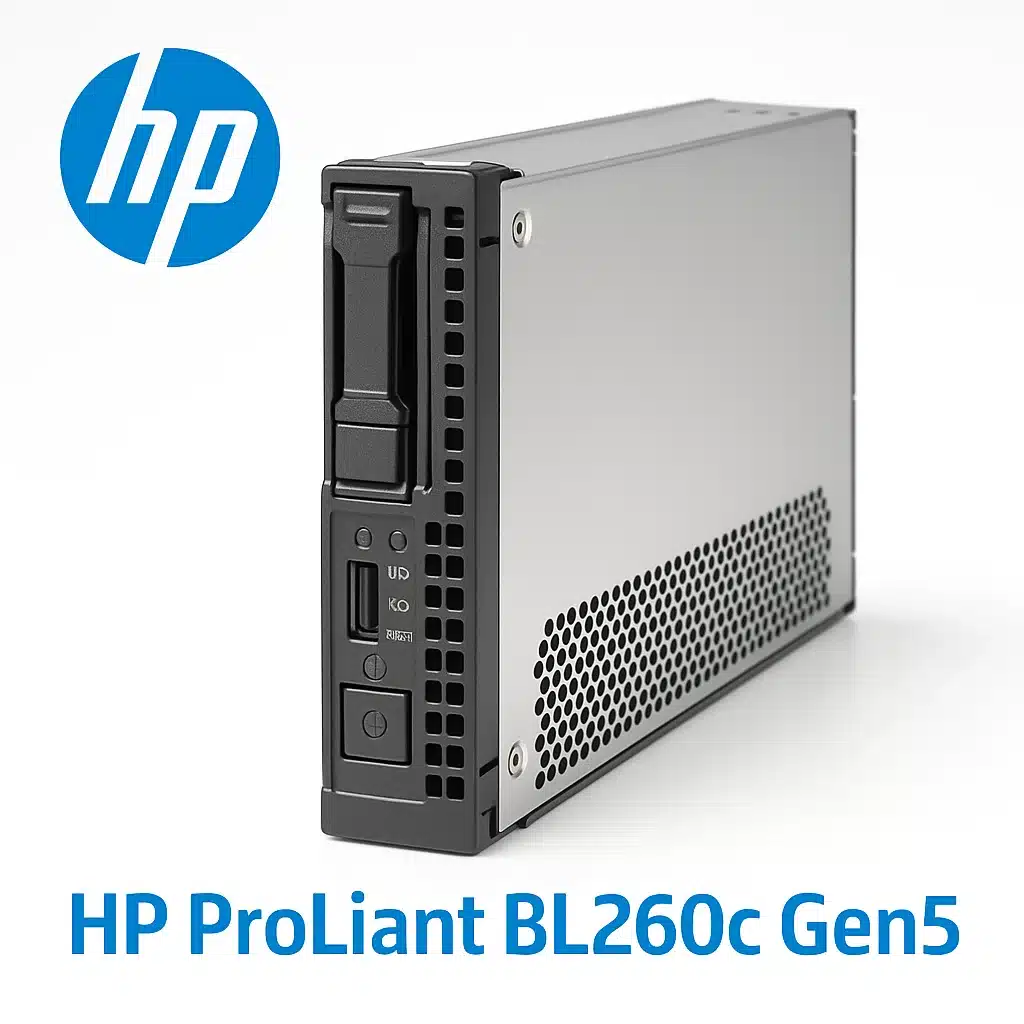
HP ProLiant BL260c Gen5 Server Dubai – Half-Height Blade Excellence
Overview of HP ProLiant BL260c Gen5 Server Dubai
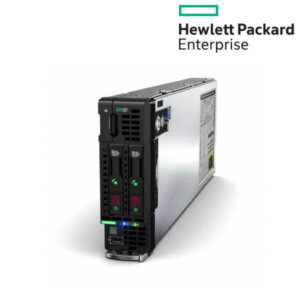
The HP ProLiant BL260c Gen5 Server Dubai represents a revolutionary approach to server design, combining the power of a full server into a compact half-height blade form factor that maximizes data center efficiency and performance density. This innovative server blade is specifically engineered for organizations that need to optimize their data center space while maintaining exceptional performance and reliability. The BL260c Gen5 stands as a testament to HP’s engineering excellence, delivering enterprise-grade capabilities in a remarkably compact design that enables unprecedented server density in modern data centers.
Designed for the demanding requirements of contemporary business environments, the HP ProLiant BL260c Gen5 Server Dubai offers exceptional versatility and performance scalability within its space-efficient form factor. This blade server is engineered to handle diverse workloads ranging from web serving and application hosting to virtualization and high-performance computing tasks. The BL260c Gen5’s architecture incorporates cutting-edge technologies that ensure optimal performance, energy efficiency, and manageability across all operational scenarios.
The server’s design philosophy emphasizes both performance density and operational efficiency, providing IT administrators with a powerful computing platform that minimizes space requirements while maximizing computational capabilities. Every aspect of the HP ProLiant BL260c Gen5 Server Dubai has been meticulously engineered to deliver enterprise-class performance while maintaining the flexibility and scalability that modern businesses require to adapt to rapidly changing technological and market demands.
Innovative Blade Architecture
Half-Height Design Excellence
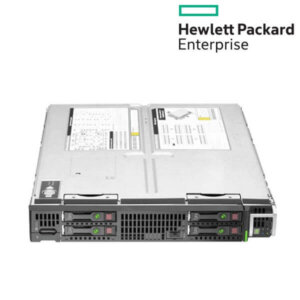
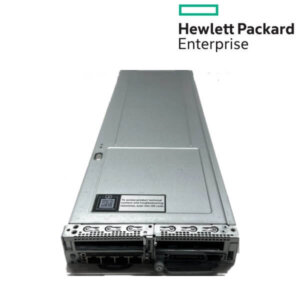
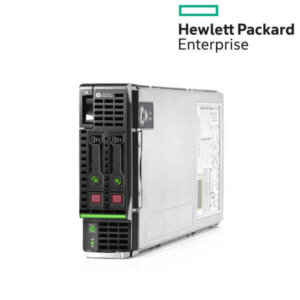
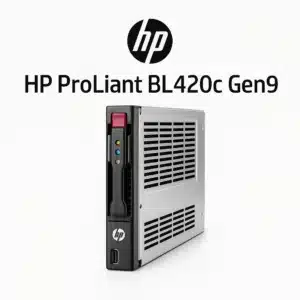
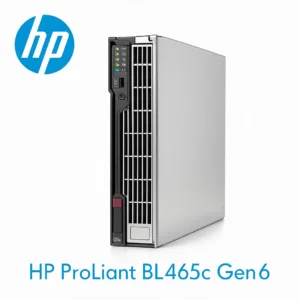
The HP ProLiant BL260c Gen5 Server Dubai features an innovative half-height blade design that enables twice the server density compared to traditional full-height blade servers. This revolutionary form factor allows data centers to deploy more computing power in the same physical space, significantly improving the efficiency of data center real estate utilization. The half-height design does not compromise on performance or functionality, instead representing a breakthrough in engineering that maximizes computational density while maintaining all essential server capabilities.
The compact design incorporates advanced thermal management technologies that ensure optimal operating temperatures despite the reduced physical dimensions. Sophisticated airflow engineering and component placement optimization enable the blade to dissipate heat effectively while maintaining quiet operation. This thermal efficiency is crucial for maintaining performance consistency and component longevity in the dense deployment scenarios that the half-height form factor enables.
Space optimization extends beyond the physical dimensions to include intelligent component integration and modular design principles. Every component within the blade is carefully selected and positioned to maximize functionality while minimizing space requirements. This approach enables the inclusion of enterprise-grade features and capabilities that might typically require larger form factors, demonstrating HP’s commitment to innovation in server design.
Processor Performance and Efficiency
The processor architecture of the HP ProLiant BL260c Gen5 Server Dubai is optimized to deliver exceptional performance within the constraints of the half-height form factor. The blade supports advanced Intel processors that provide excellent computational performance while maintaining energy efficiency and thermal characteristics suitable for dense deployment scenarios. These processors incorporate multiple cores and advanced technologies that enable excellent multitasking capabilities and application performance.
Performance optimization includes intelligent power management features that dynamically adjust processor performance based on workload demands. This dynamic scaling ensures that the blade provides maximum performance when needed while reducing power consumption and heat generation during periods of lower activity. The result is a server platform that can adapt to varying workload demands while maintaining optimal efficiency across all operating conditions.
The processor subsystem also incorporates advanced cache hierarchies and memory interfaces that minimize data access latency and maximize processing efficiency. These optimizations ensure that the blade can deliver excellent performance across diverse application workloads, from compute-intensive tasks to I/O-intensive operations. The sophisticated processor architecture enables the blade to compete with larger server platforms while maintaining the space and energy efficiency advantages of the blade form factor.
Memory and Storage Integration
Memory architecture in the HP ProLiant BL260c Gen5 Server Dubai is designed to provide excellent performance and capacity within the space constraints of the half-height blade form factor. The blade supports substantial memory configurations that enable it to handle memory-intensive applications and virtualization workloads effectively. Advanced memory technologies and optimization techniques ensure that the available memory is utilized efficiently across all types of workloads.
The memory subsystem incorporates comprehensive error correction capabilities that maintain data integrity and system stability. ECC memory support provides protection against memory errors that could otherwise cause system instability or data corruption. This reliability is particularly important in dense deployment scenarios where individual blade failures could have significant impact on overall system availability.
Storage integration in the blade includes support for various storage technologies that provide flexibility in storage configuration and performance optimization. The blade can accommodate different types of storage devices, from traditional hard drives to high-performance solid-state drives, enabling businesses to optimize storage performance and capacity based on their specific application requirements. Advanced storage management features help ensure optimal storage performance and reliability.
BladeSystem Integration and Management
Enclosure Infrastructure and Connectivity
The HP ProLiant BL260c Gen5 Server Dubai is designed to integrate seamlessly with HP’s BladeSystem infrastructure, which provides shared resources and management capabilities that enhance the efficiency and manageability of blade deployments. The BladeSystem enclosure provides shared power, cooling, and network connectivity that reduces the infrastructure requirements for individual blades while improving overall system efficiency and reliability.
Shared infrastructure components include redundant power supplies, cooling systems, and network switches that provide enterprise-grade reliability and performance for all blades within the enclosure. This shared approach to infrastructure reduces costs, improves efficiency, and simplifies management compared to traditional rack-mounted server deployments. The enclosure infrastructure is designed to support high-density deployments while maintaining excellent performance and reliability.
Network connectivity within the BladeSystem includes high-speed interconnects that provide excellent performance for both internal blade-to-blade communications and external network connectivity. Advanced networking features include support for various network protocols and technologies, enabling the blade to integrate seamlessly with existing network infrastructure while providing the performance needed for demanding applications.
Centralized Management and Monitoring
Management capabilities for the HP ProLiant BL260c Gen5 Server Dubai are enhanced through integration with HP’s BladeSystem management infrastructure, which provides centralized monitoring and control capabilities for all blades within the enclosure. This centralized approach to management simplifies administrative tasks and provides comprehensive visibility into the operation of all blade servers from a single management interface.
The management system includes comprehensive monitoring capabilities that track the performance, health, and status of all blade components. Real-time monitoring provides administrators with immediate visibility into system operation, while historical data collection enables trend analysis and capacity planning. Advanced alerting capabilities ensure that administrators are promptly notified of any issues that require attention.
Remote management capabilities enable administrators to monitor and control blade servers from anywhere with network connectivity. This remote access includes console access, virtual media support, and comprehensive configuration management capabilities. The remote management features are particularly valuable for organizations with multiple data center locations or limited on-site IT support staff.
Scalability and Expansion Options
The HP ProLiant BL260c Gen5 Server Dubai offers excellent scalability options that enable businesses to expand their computing capacity efficiently as requirements grow. The blade form factor enables rapid deployment of additional computing resources by simply adding more blades to existing enclosures. This scalability approach minimizes the infrastructure investment required for expansion while providing immediate access to additional computing capacity.
Expansion capabilities extend beyond simply adding more blades to include options for upgrading individual blade configurations and expanding shared infrastructure resources. Businesses can upgrade blade processors, memory, and storage as requirements evolve, while shared infrastructure components can be expanded to support additional blades or enhanced capabilities. This flexible approach to expansion ensures that the blade system can adapt to changing business requirements.
The scalability of the blade system also includes support for mixed blade configurations within the same enclosure, enabling businesses to deploy different types of blades optimized for specific workloads or applications. This flexibility allows for the creation of heterogeneous computing environments that can efficiently support diverse application requirements while maintaining centralized management and shared infrastructure benefits.
Performance Optimization and Applications
Web and Application Server Excellence
The HP ProLiant BL260c Gen5 Server Dubai excels as a web and application server platform, providing the performance density and efficiency that modern web applications require. The blade’s compact form factor enables deployment of large numbers of web servers in minimal space, making it ideal for organizations that need to support high-traffic websites or large numbers of concurrent users. The blade’s performance characteristics are well-suited to the demands of web serving, which typically involves handling many simultaneous connections and requests.
Web application deployments benefit from the blade’s excellent network performance and processing capabilities, which ensure rapid response times and excellent user experience even under heavy load conditions. The blade’s architecture is optimized for the types of workloads common in web serving environments, including rapid context switching, efficient memory utilization, and high-throughput I/O operations. These optimizations enable the blade to handle large numbers of concurrent web requests while maintaining excellent performance.
Application server deployments can leverage the blade’s scalability and density advantages to create highly available and scalable application environments. Multiple blades can be deployed to support application clustering and load balancing, providing both high availability and excellent performance scalability. The shared infrastructure of the BladeSystem provides the network and management capabilities needed to support sophisticated application architectures.
Virtualization Platform Capabilities
The HP ProLiant BL260c Gen5 Server Dubai serves as an excellent virtualization platform, enabling organizations to consolidate multiple virtual machines onto a single blade while maintaining excellent performance for each virtualized workload. The blade’s processing power and memory capacity make it well-suited for hosting multiple virtual machines, while its compact form factor enables high-density virtualization deployments that maximize the efficiency of data center resources.
Virtualization deployments benefit from the blade’s hardware-assisted virtualization features and optimized resource management capabilities. The blade includes support for advanced virtualization technologies that improve virtual machine performance and enable more efficient resource utilization. These features help ensure that virtualized workloads receive the resources they need while maintaining isolation and security between different virtual machines.
The blade’s integration with BladeSystem infrastructure provides additional benefits for virtualization deployments, including centralized management capabilities that simplify the administration of large numbers of virtual machines. The shared infrastructure also provides the network and storage connectivity needed to support advanced virtualization features such as live migration and distributed resource scheduling.
High-Performance Computing Applications
For high-performance computing applications, the HP ProLiant BL260c Gen5 Server Dubai provides an excellent platform that combines computational performance with deployment density. The blade’s processing capabilities and memory architecture make it well-suited for compute-intensive applications that require substantial processing power. The ability to deploy large numbers of blades in minimal space enables the creation of high-performance computing clusters that provide exceptional computational capacity.
High-performance computing deployments benefit from the blade’s optimized interconnect capabilities and low-latency communication features. The BladeSystem infrastructure provides high-speed interconnects that enable efficient communication between blades, which is crucial for parallel computing applications that require coordination between multiple processing nodes. These interconnect capabilities help ensure that multi-blade applications can achieve excellent scalability and performance.
The blade’s thermal and power management capabilities are particularly important for high-performance computing deployments, which often involve sustained high-utilization workloads. The blade’s efficient thermal design and intelligent power management help ensure that high-performance computing clusters can operate reliably while maintaining reasonable power consumption and cooling requirements.
Management and Administrative Features
Integrated Management Technologies
The HP ProLiant BL260c Gen5 Server Dubai incorporates comprehensive management technologies that simplify system administration and reduce operational overhead. Integrated management capabilities include both local blade management features and integration with BladeSystem-wide management infrastructure. These management technologies provide administrators with the tools needed to efficiently monitor, configure, and maintain blade servers while minimizing administrative complexity.
Local management features include comprehensive system monitoring, configuration management, and diagnostic capabilities that enable administrators to manage individual blades effectively. These features provide detailed visibility into blade operation and performance, enabling proactive management approaches that can prevent issues before they impact system operation. The management system also includes automated features that can respond to certain types of events without administrator intervention.
Integration with BladeSystem management infrastructure provides additional capabilities that enhance the efficiency of managing multiple blades. Centralized management features enable administrators to monitor and control multiple blades from a single interface, while automated management capabilities can coordinate activities across multiple blades. This integrated approach to management significantly reduces the administrative overhead associated with managing large numbers of server systems.
Security and Access Control
Security features in the HP ProLiant BL260c Gen5 Server Dubai provide comprehensive protection for both the blade hardware and the data it processes. Multi-layered security approaches include hardware-based security features, access control mechanisms, and data protection capabilities that work together to provide defense against various types of security threats. These security features are particularly important in dense deployment scenarios where multiple blades may be processing sensitive data.
Hardware-based security features include secure boot capabilities and trusted platform module support that provide a foundation of protection that cannot be compromised by software-based attacks. These features ensure that only authorized firmware and software can run on the blade, preventing unauthorized modifications that could compromise system security. The hardware security features also include encryption capabilities that protect sensitive data both at rest and in transit.
Access control mechanisms provide detailed control over who can access blade resources and what actions they can perform. Role-based access controls enable administrators to define specific permissions for different types of users, ensuring that individuals have access only to the resources and capabilities they need for their responsibilities. Comprehensive audit logging provides detailed records of all administrative activities, enabling security monitoring and compliance reporting.
Performance Monitoring and Optimization
Performance monitoring capabilities in the HP ProLiant BL260c Gen5 Server Dubai provide administrators with detailed visibility into all aspects of blade operation and performance. Comprehensive monitoring includes tracking of processor utilization, memory usage, storage performance, network activity, and environmental parameters such as temperature and power consumption. This detailed monitoring enables administrators to optimize blade performance and identify potential issues before they can impact system operation.
The monitoring system includes both real-time monitoring capabilities and historical data collection that enables trend analysis and capacity planning. Real-time monitoring provides immediate visibility into current system operation, while historical analysis helps administrators understand performance patterns and plan for future capacity requirements. Advanced analytics capabilities can identify performance bottlenecks and optimization opportunities.
Performance optimization features include automated tuning capabilities that can adjust system parameters based on workload characteristics and performance requirements. These automated optimizations help ensure that the blade operates at peak efficiency across different types of workloads while minimizing the need for manual performance tuning. The optimization system can also provide recommendations for configuration changes that could improve performance or efficiency.
Reliability and Availability Features
Fault Tolerance and Redundancy
The HP ProLiant BL260c Gen5 Server Dubai incorporates comprehensive fault tolerance and redundancy features that help ensure continuous operation even in the event of component failures. While the blade itself is compact, it includes essential redundancy features where possible, while relying on the BladeSystem infrastructure for additional redundancy capabilities. This approach provides excellent reliability while maintaining the space efficiency advantages of the blade form factor.
Fault tolerance features include advanced error correction capabilities in the memory subsystem and comprehensive monitoring of all blade components. The blade can detect and respond to various types of hardware issues, including memory errors, thermal problems, and component failures. Automatic failover capabilities help ensure that system operation continues even when individual components experience problems.
The BladeSystem infrastructure provides additional redundancy capabilities that enhance the overall reliability of blade deployments. Redundant power supplies, cooling systems, and network connections help ensure that blade operation continues even if shared infrastructure components fail. This shared approach to redundancy provides excellent reliability while maintaining cost efficiency compared to providing redundancy within each individual blade.
Predictive Failure Analysis
Predictive failure analysis capabilities in the HP ProLiant BL260c Gen5 Server Dubai help prevent system failures by identifying components that are likely to fail before actual failures occur. The blade continuously monitors the health and performance of all components, looking for patterns and trends that might indicate developing problems. This predictive capability enables proactive maintenance approaches that can prevent failures from impacting system operation.
The predictive analysis system includes sophisticated algorithms that can identify subtle changes in component behavior that might indicate developing problems. These algorithms are based on extensive analysis of component failure patterns and can detect issues that might not be apparent through traditional monitoring approaches. Early warning capabilities alert administrators to potential problems, providing time to schedule maintenance activities during planned downtime windows.
Integration with BladeSystem management infrastructure enhances the predictive failure analysis capabilities by providing access to data from multiple blades and shared infrastructure components. This broader view of system operation enables more sophisticated analysis and can identify patterns that might not be apparent when looking at individual blades in isolation. The result is a more comprehensive and effective approach to predictive maintenance.
Business Continuity Support
The HP ProLiant BL260c Gen5 Server Dubai supports comprehensive business continuity strategies that help organizations maintain operations in the face of various types of disruptions. The blade’s integration with BladeSystem infrastructure provides capabilities that support rapid recovery from failures and enable the implementation of sophisticated disaster recovery strategies. These capabilities are essential for maintaining business operations in today’s competitive environment.
Business continuity features include support for rapid blade replacement and configuration restoration that can minimize downtime in the event of blade failures. Standardized configurations and automated deployment tools enable quick setup of replacement blades, while comprehensive backup and recovery procedures help ensure that business operations can be restored quickly. The blade’s integration with virtualization technologies also provides additional options for maintaining business continuity.
Disaster recovery capabilities include support for remote replication and backup strategies that can protect against site-wide disasters. The blade’s network capabilities enable efficient replication of critical data to remote locations, while its integration with enterprise backup solutions provides comprehensive data protection. These capabilities help ensure that businesses can recover from various types of disasters while minimizing data loss and downtime.
Energy Efficiency and Environmental Considerations
Power Optimization and Efficiency
The HP ProLiant BL260c Gen5 Server Dubai incorporates advanced power optimization technologies that minimize energy consumption while maintaining excellent performance. The blade’s compact design inherently provides power efficiency advantages compared to traditional rack-mounted servers, while intelligent power management features further optimize energy utilization. These power efficiency features help reduce operational costs and support environmental sustainability initiatives.
Power management capabilities include dynamic power scaling that automatically adjusts blade power consumption based on current workload demands. During periods of low activity, the blade can reduce power consumption significantly while maintaining the ability to quickly scale up to full performance when needed. This dynamic approach to power management ensures that businesses pay only for the energy they actually need while maintaining excellent performance when required.
The blade’s integration with BladeSystem infrastructure provides additional power efficiency benefits through shared power supplies and intelligent power distribution. The shared power infrastructure operates at higher efficiency levels than individual server power supplies, while intelligent power management can optimize power distribution across all blades within the enclosure. These infrastructure-level optimizations contribute to overall system efficiency and reduced operational costs.
Thermal Management and Cooling Efficiency
Thermal management in the HP ProLiant BL260c Gen5 Server Dubai is optimized to maintain ideal operating temperatures while minimizing cooling energy requirements. The blade’s compact design and optimized component placement enable efficient heat dissipation, while the BladeSystem infrastructure provides shared cooling resources that operate more efficiently than individual server cooling systems. This approach to thermal management provides excellent cooling performance while minimizing energy consumption.
The blade incorporates intelligent thermal monitoring and control capabilities that continuously optimize cooling performance based on current operating conditions. Temperature sensors throughout the blade provide detailed thermal information, while intelligent control algorithms adjust cooling resources to maintain optimal temperatures while minimizing energy consumption. This sophisticated thermal management helps ensure reliable operation while supporting energy efficiency goals.
Integration with BladeSystem cooling infrastructure provides additional thermal management benefits through shared cooling resources and intelligent cooling distribution. The enclosure cooling systems can optimize airflow and cooling capacity across all blades, providing more efficient cooling than would be possible with individual blade cooling systems. This shared approach to cooling contributes to both energy efficiency and improved reliability.
Environmental Impact and Sustainability
The HP ProLiant BL260c Gen5 Server Dubai is designed with comprehensive environmental considerations that minimize its impact throughout its entire lifecycle. The blade’s efficient design reduces material usage compared to traditional servers, while its energy efficiency features minimize operational environmental impact. These environmental benefits are particularly significant when multiplied across the large numbers of blades that can be deployed in typical data center environments.
Sustainable design features include the use of environmentally responsible materials and manufacturing processes that minimize environmental impact during production. The blade’s design also considers end-of-life disposal and recycling requirements, incorporating features that facilitate recycling and proper disposal of components when the blade reaches the end of its useful life. HP’s commitment to environmental responsibility includes comprehensive recycling programs that help customers properly dispose of blade hardware.
The blade’s long service life and upgrade capabilities help reduce electronic waste by extending the useful life of the hardware investment. The modular design of the BladeSystem infrastructure enables targeted upgrades and replacements that can extend system life while minimizing waste. This approach supports circular economy principles and helps reduce the overall environmental impact of data center operations.