


Description
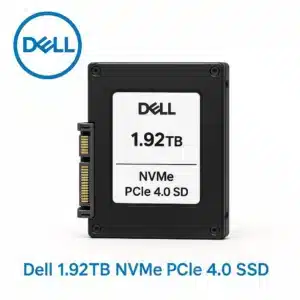
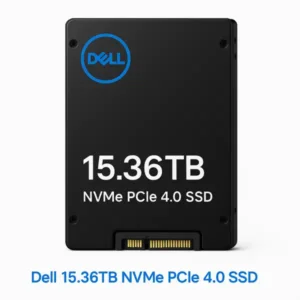
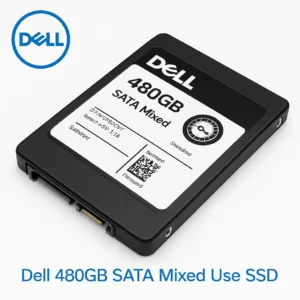
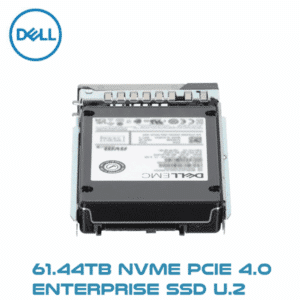
Dell 1.92TB NVMe PCIe 4.0 Read Intensive SSD 2.5 U.2 – High-Performance Enterprise Storage for Dubai UAE
Revolutionary PCIe 4.0 NVMe Storage Technology
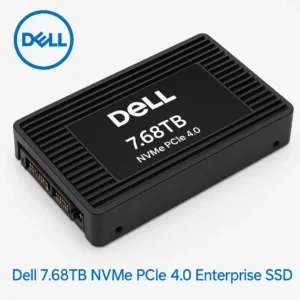
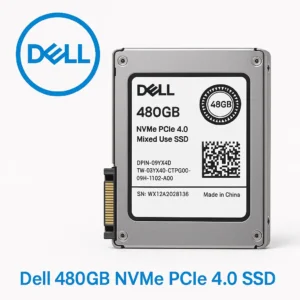
The Dell 1.92TB NVMe PCIe 4.0 Read Intensive SSD represents the pinnacle of enterprise storage technology, delivering unprecedented performance and reliability for organizations across Dubai and the UAE market seeking to implement next-generation storage infrastructures. Built on the latest PCIe 4.0 interface standard, this enterprise-grade solid-state drive provides exceptional throughput capabilities of up to 7,000 MB/s sequential read and 4,200 MB/s sequential write performance, enabling organizations to dramatically reduce application response times and improve overall system performance for demanding business applications.
Engineered specifically for read-intensive workloads, this SSD incorporates advanced 3D NAND flash memory technology that delivers exceptional endurance characteristics while maintaining optimal performance across varying operational conditions. The drive’s sophisticated controller architecture includes advanced error correction algorithms, wear leveling mechanisms, and thermal management features that collectively ensure consistent performance and reliability throughout the drive’s operational lifetime. These advanced features make the drive particularly well-suited for applications such as content delivery networks, data analytics platforms, and high-performance databases that require rapid data access with minimal latency.
The 2.5-inch U.2 form factor provides exceptional flexibility for deployment across diverse server platforms while maintaining compatibility with existing storage infrastructures. The U.2 connector design enables hot-plug capabilities that allow for seamless drive replacement and maintenance operations without interrupting system operations, a critical capability for organizations operating mission-critical applications that require continuous availability. This serviceability feature is particularly valuable for organizations in Dubai’s financial services sector where any interruption in data access could result in significant business impact.
Built with enterprise-grade components and rigorous quality control processes, this SSD delivers exceptional reliability characteristics including a mean time between failures (MTBF) rating of 2.5 million hours and comprehensive error detection and correction capabilities. The drive’s advanced reliability features include power loss protection, end-to-end data protection, and comprehensive health monitoring capabilities that enable proactive identification of potential issues before they impact system operations. These reliability characteristics ensure that organizations can deploy the drive in mission-critical applications with confidence in its long-term performance and data integrity.
Advanced Performance Optimization for Enterprise Workloads
The Dell 1.92TB NVMe PCIe 4.0 Read Intensive SSD incorporates numerous advanced performance optimization features designed to maximize throughput and minimize latency for demanding enterprise applications. The drive’s sophisticated controller architecture includes advanced queue management capabilities that can handle up to 65,536 I/O queues with 65,536 commands per queue, enabling exceptional scalability for applications that generate high levels of concurrent I/O operations. This advanced queue architecture is particularly beneficial for virtualization environments, database applications, and high-performance computing workloads that require optimal I/O performance characteristics.
Advanced caching algorithms optimize data placement and retrieval patterns to ensure that frequently accessed data remains readily available in high-speed cache memory while less frequently accessed data is efficiently managed in the main storage array. The drive’s intelligent caching system continuously analyzes access patterns and automatically adjusts cache allocation to optimize performance for specific workload characteristics. This dynamic optimization ensures that applications receive optimal performance regardless of changing access patterns or workload requirements.
The drive’s support for advanced NVMe features including namespace management, reservation protocols, and telemetry capabilities enables comprehensive integration with enterprise storage management systems and monitoring platforms. These advanced features provide administrators with detailed visibility into drive performance characteristics, health status, and utilization patterns that enable proactive optimization and maintenance planning. Organizations can leverage this telemetry data to optimize their storage configurations for maximum performance and reliability while identifying potential issues before they impact system operations.
Temperature management capabilities include comprehensive thermal monitoring and throttling mechanisms that ensure optimal operating temperatures while maintaining performance characteristics. The drive incorporates multiple temperature sensors that continuously monitor operating conditions and can automatically adjust performance levels to maintain safe operating temperatures. These thermal management features are particularly important for organizations operating in challenging environmental conditions or implementing high-density storage deployments where thermal management is critical for maintaining optimal performance and reliability.
The drive’s advanced wear leveling algorithms ensure that write operations are distributed evenly across all available NAND flash memory cells, maximizing the drive’s operational lifetime while maintaining consistent performance characteristics. Static and dynamic wear leveling mechanisms continuously monitor cell usage patterns and automatically redistribute data to ensure optimal utilization of available storage capacity. This sophisticated wear management ensures that the drive maintains optimal performance characteristics throughout its operational lifetime while maximizing return on investment for organizations implementing large-scale storage deployments.
Comprehensive Dell PowerEdge Server Integration
The Dell 1.92TB NVMe PCIe 4.0 Read Intensive SSD demonstrates exceptional compatibility across Dell’s extensive PowerEdge server portfolio, ensuring organizations can implement high-performance storage solutions regardless of their existing infrastructure configuration. The drive is fully supported in PowerEdge 15th generation servers including the R650, R750, R750xa, and R950, providing organizations with flexible storage options for their established server deployments. This compatibility ensures that organizations can upgrade their storage infrastructure to achieve improved performance without requiring complete server replacement, enabling cost-effective performance improvements for existing systems.
For organizations implementing 16th generation PowerEdge infrastructure, the SSD integrates seamlessly with the R660, R760, R760xa, and R960 platforms, delivering maximum performance benefits from the latest server architectures and PCIe 4.0 interfaces. These newer platforms provide enhanced storage controllers, optimized thermal designs, and advanced management features that enable the SSD to achieve its full performance potential while maintaining optimal operating characteristics. The integration with latest server technology ensures that organizations can implement future-ready storage solutions that provide exceptional performance and scalability characteristics.
The drive’s compatibility with Dell’s PowerEdge MX modular infrastructure enables deployment in blade server environments where space efficiency and performance density are critical considerations. The MX760C and MX850C compute sleds provide excellent platforms for implementing high-performance storage solutions that maximize computational and storage performance while minimizing data center footprint. This modular approach enables organizations to scale their storage capacity incrementally as business requirements evolve while maintaining consistent performance and management characteristics.
PowerEdge tower servers including the T660 and T760 also support this SSD, enabling organizations to implement high-performance storage solutions in office environments or smaller data centers where rack-mounted servers may not be practical. These tower configurations provide excellent expandability and serviceability characteristics while delivering the same exceptional storage performance as their rack-mounted counterparts. This flexibility ensures that organizations can implement consistent storage platforms across diverse deployment scenarios while maintaining standardized management and support procedures.
The SSD’s integration with Dell’s comprehensive storage management software including OpenManage Enterprise and iDRAC enables centralized monitoring and management of storage resources across entire server fleets. These management platforms provide detailed visibility into storage performance, health status, and capacity utilization that enables proactive optimization and maintenance planning. Organizations can leverage these management capabilities to optimize their storage configurations for maximum performance and reliability while reducing administrative overhead and operational complexity.
Data Protection and Security Features
The Dell 1.92TB NVMe PCIe 4.0 Read Intensive SSD incorporates comprehensive data protection and security features designed to safeguard enterprise data against various threats and failure scenarios. Advanced error correction capabilities include both hardware-based error correction codes (ECC) and software-based error detection and correction algorithms that can identify and correct various types of data corruption that may occur during storage operations. These multi-layered error correction mechanisms ensure data integrity while maintaining optimal performance characteristics, providing organizations with confidence in their data protection capabilities.
End-to-end data protection features include comprehensive data path validation that verifies data integrity from the host system through the storage controller to the NAND flash memory cells. This comprehensive validation process ensures that data corruption can be detected and corrected at any point in the storage path, providing exceptional data integrity protection for mission-critical applications. The drive’s advanced data protection capabilities are particularly valuable for organizations processing sensitive financial data, personal information, or intellectual property that requires the highest levels of data integrity protection.
Power loss protection capabilities include advanced capacitor-based backup systems that ensure data integrity during unexpected power interruptions or system failures. The drive’s power loss protection mechanisms can complete in-flight write operations and properly close open files during power loss events, preventing data corruption and ensuring system consistency when power is restored. These power protection features are essential for organizations operating mission-critical applications where data integrity must be maintained even during unexpected system failures or power interruptions.
Secure erase capabilities enable organizations to completely remove sensitive data from storage devices when they reach end-of-life or are being repurposed for different applications. The drive supports both cryptographic erase and sanitize operations that ensure data cannot be recovered using any known techniques, providing organizations with confidence that sensitive information is completely removed when required. These secure erase capabilities are particularly important for organizations in regulated industries or those handling sensitive data that must comply with strict data destruction requirements.
The drive’s support for self-encrypting drive (SED) capabilities enables hardware-based encryption that protects data at rest without impacting system performance. Advanced encryption algorithms including AES-256 provide comprehensive data protection while maintaining optimal storage performance characteristics. Organizations can implement comprehensive data protection strategies that include both encryption at rest and encryption in transit to ensure complete data security throughout the entire data lifecycle.
Virtualization and Cloud Computing Optimization
The Dell 1.92TB NVMe PCIe 4.0 Read Intensive SSD delivers exceptional capabilities for virtualization and cloud computing environments, providing the performance characteristics necessary to support large-scale virtual machine deployments and container orchestration platforms. The drive’s high IOPS capabilities and low latency characteristics make it ideal for supporting multiple virtual machines with diverse I/O requirements, enabling better consolidation ratios and improved resource utilization for virtualization environments. These performance characteristics are particularly valuable for organizations implementing server consolidation initiatives or building private cloud infrastructures.
Advanced storage features including support for thin provisioning, snapshots, and cloning operations enable efficient resource utilization and simplified management for virtualized environments. The drive’s ability to handle variable I/O patterns and workload characteristics ensures optimal performance for diverse virtual machine workloads while maintaining consistent response times and throughput characteristics. Organizations implementing mixed virtualization workloads will benefit from the drive’s ability to adapt to changing performance requirements while maintaining optimal efficiency characteristics.
The drive’s compatibility with leading virtualization platforms including VMware vSphere, Microsoft Hyper-V, and Citrix XenServer ensures seamless integration with existing virtualization infrastructures. Advanced storage features including VAAI (vSphere APIs for Array Integration) support enable offloading of storage operations to the drive’s controller, reducing host CPU utilization while improving overall system performance. These integration capabilities enable organizations to maximize the benefits of their virtualization investments while achieving optimal storage performance characteristics.
Container orchestration platforms including Docker and Kubernetes can leverage the drive’s high-performance characteristics to support large-scale container deployments that require rapid storage access and high throughput capabilities. The drive’s ability to handle concurrent I/O operations from multiple containers while maintaining consistent performance characteristics makes it ideal for supporting microservices architectures and cloud-native applications. Organizations implementing modern application deployment strategies will benefit from the drive’s capabilities for supporting dynamic, scalable container environments.
The drive’s support for storage quality of service (QoS) features enables administrators to allocate storage performance resources based on application priorities and business requirements. These QoS capabilities ensure that critical applications receive adequate storage performance while preventing less critical applications from impacting overall system performance. Organizations operating mixed workload environments will benefit from these advanced resource allocation capabilities that enable optimal performance distribution across diverse application requirements.
Database and Analytics Application Optimization
The Dell 1.92TB NVMe PCIe 4.0 Read Intensive SSD provides exceptional capabilities for database and analytics applications that require rapid data access and high throughput characteristics. The drive’s optimized read performance makes it particularly well-suited for data warehousing applications, business intelligence platforms, and analytics workloads that primarily involve reading large datasets rather than frequent write operations. These applications can benefit significantly from the drive’s ability to deliver consistent, high-performance data access that reduces query response times and improves overall application performance.
Database applications including Oracle, Microsoft SQL Server, MySQL, and PostgreSQL can leverage the drive’s high IOPS capabilities and low latency characteristics to improve transaction processing performance and reduce database response times. The drive’s ability to handle concurrent database operations while maintaining consistent performance characteristics makes it ideal for supporting high-transaction-volume applications that require optimal database performance. Organizations operating mission-critical database applications will benefit from the drive’s reliability and performance characteristics that ensure consistent application availability and responsiveness.
In-memory database platforms and analytics applications can utilize the drive’s high-performance characteristics to support rapid data loading and processing operations that require exceptional storage throughput. The drive’s ability to sustain high sequential read performance makes it ideal for applications that process large datasets or perform complex analytical operations that require rapid data access. These capabilities enable organizations to implement advanced analytics platforms that can process large volumes of data efficiently while maintaining optimal performance characteristics.
Big data analytics platforms including Apache Hadoop, Apache Spark, and Elasticsearch can benefit from the drive’s high-performance characteristics for supporting distributed computing workloads that require rapid data access across multiple nodes. The drive’s ability to deliver consistent performance under varying load conditions makes it ideal for supporting analytics clusters that process diverse workloads with different performance requirements. Organizations implementing big data analytics initiatives will benefit from the drive’s capabilities for supporting large-scale data processing operations.
Content delivery networks and web applications can leverage the drive’s optimized read performance to support high-traffic websites and applications that require rapid content delivery and minimal response times. The drive’s ability to handle concurrent read operations while maintaining low latency characteristics makes it ideal for supporting web applications that serve large numbers of concurrent users. These capabilities enable organizations to implement high-performance web platforms that deliver exceptional user experiences while maintaining optimal system performance.
UAE Market Applications and Industry-Specific Benefits
The Dell 1.92TB NVMe PCIe 4.0 Read Intensive SSD addresses numerous specific applications within the UAE market, supporting various industries’ digital transformation initiatives and performance optimization requirements. In the financial services sector, the drive’s exceptional read performance and reliability characteristics make it ideal for implementing high-frequency trading systems, risk analysis platforms, and regulatory compliance solutions that require rapid access to large datasets. Major banks and financial institutions in Dubai and Abu Dhabi can leverage the drive’s capabilities to support real-time fraud detection systems, customer analytics platforms, and core banking applications that require both performance and reliability.
Government organizations across the UAE can utilize the drive’s high-performance characteristics to support smart city initiatives, digital government services, and citizen engagement platforms that require rapid data access and processing capabilities. The drive’s reliability features ensure that critical government systems remain available and responsive while supporting the large-scale data processing requirements of modern digital government platforms. These capabilities enable government organizations to implement innovative citizen services while maintaining the reliability standards required for public sector applications.
The healthcare sector throughout the UAE can benefit from the drive’s performance characteristics for medical imaging systems, electronic health records platforms, and telemedicine applications that require rapid access to large medical datasets. The drive’s ability to deliver consistent performance under varying load conditions makes it ideal for supporting healthcare applications that must maintain optimal performance while handling diverse workload requirements. These capabilities enable healthcare providers to implement advanced medical systems that improve patient outcomes while maintaining operational efficiency.
The oil and gas industry can leverage the drive’s high-performance characteristics for seismic data analysis, reservoir modeling, and production optimization applications that require rapid access to large geological and operational datasets. The drive’s reliability features ensure that critical exploration and production systems remain available while supporting the intensive data processing requirements of modern energy operations. These capabilities support the industry’s digital transformation initiatives while maintaining the reliability standards required for mission-critical operations.
Educational institutions across the UAE can implement the drive in research computing platforms, digital learning systems, and administrative applications that require high-performance storage capabilities. The drive’s ability to support concurrent access from multiple users while maintaining consistent performance characteristics makes it ideal for supporting educational environments with diverse computing requirements. These capabilities enable educational institutions to implement advanced learning platforms while supporting research initiatives that contribute to national development objectives.
Implementation Strategies and Best Practices
Organizations implementing the Dell 1.92TB NVMe PCIe 4.0 Read Intensive SSD should carefully evaluate their performance requirements and workload characteristics to ensure optimal deployment strategies and configuration optimization. Proper workload analysis enables organizations to determine the optimal number of drives, RAID configurations, and system architectures that maximize the drive’s capabilities while meeting specific business requirements. Understanding application I/O patterns, performance requirements, and capacity needs ensures that organizations can design storage solutions that deliver optimal performance and cost-effectiveness.
Storage architecture considerations include evaluation of RAID configurations, caching strategies, and tiered storage implementations that can optimize performance while providing appropriate levels of data protection. The drive’s read-intensive optimization makes it particularly well-suited for RAID configurations that prioritize read performance, such as RAID 0 for maximum performance or RAID 10 for balanced performance and protection. Organizations should consider implementing tiered storage architectures that place frequently accessed data on high-performance NVMe drives while utilizing lower-cost storage for less frequently accessed information.
System configuration optimization includes proper allocation of PCIe lanes, memory configuration, and CPU resources to ensure that the storage subsystem can achieve optimal performance without being constrained by other system components. Organizations should ensure that their server platforms provide adequate PCIe 4.0 connectivity and that system architectures are optimized to support the drive’s high-performance characteristics. Proper system configuration ensures that organizations can realize the full performance benefits of their storage investments.
Monitoring and management system integration enables organizations to maintain visibility into storage performance characteristics and identify optimization opportunities. Implementation of comprehensive monitoring solutions that can track performance metrics, capacity utilization, and health status enables proactive identification of potential issues and optimization opportunities. Regular performance analysis enables organizations to optimize their storage configurations for maximum efficiency and reliability while ensuring that storage systems continue to meet evolving business requirements.
Maintenance and lifecycle management strategies should include regular health monitoring, firmware updates, and capacity planning activities that ensure optimal storage system performance throughout the operational lifetime. Organizations should implement proactive maintenance procedures that include regular health assessments, performance optimization reviews, and capacity planning activities that ensure storage systems continue to meet business requirements as they evolve. These maintenance strategies help organizations maximize their storage investments while maintaining optimal performance and reliability characteristics.
Vector Digital Systems, a leading stockist and distributor of Dell products in the UAE, provides comprehensive support for organizations implementing the Dell 1.92TB NVMe PCIe 4.0 Read Intensive SSD. Our experienced team offers expert consultation on storage architecture design, performance optimization strategies, and scalability planning services. We maintain extensive inventory of Dell storage solutions and server platforms, ensuring rapid delivery and deployment of new systems. For organizations seeking the best prices in the market and expert technical guidance, contact our team to discuss your specific storage requirements and receive customized recommendations for your enterprise storage infrastructure needs.